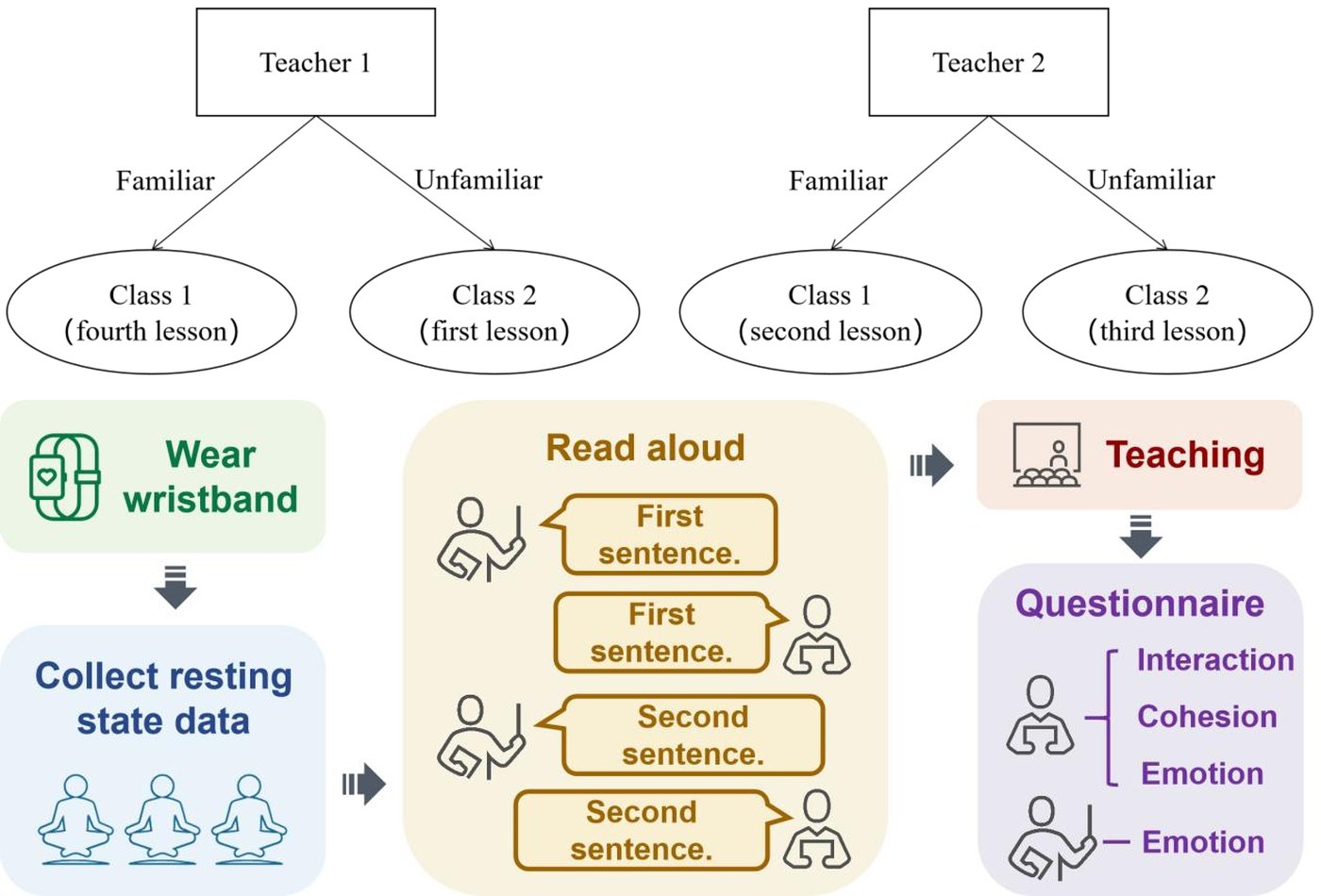
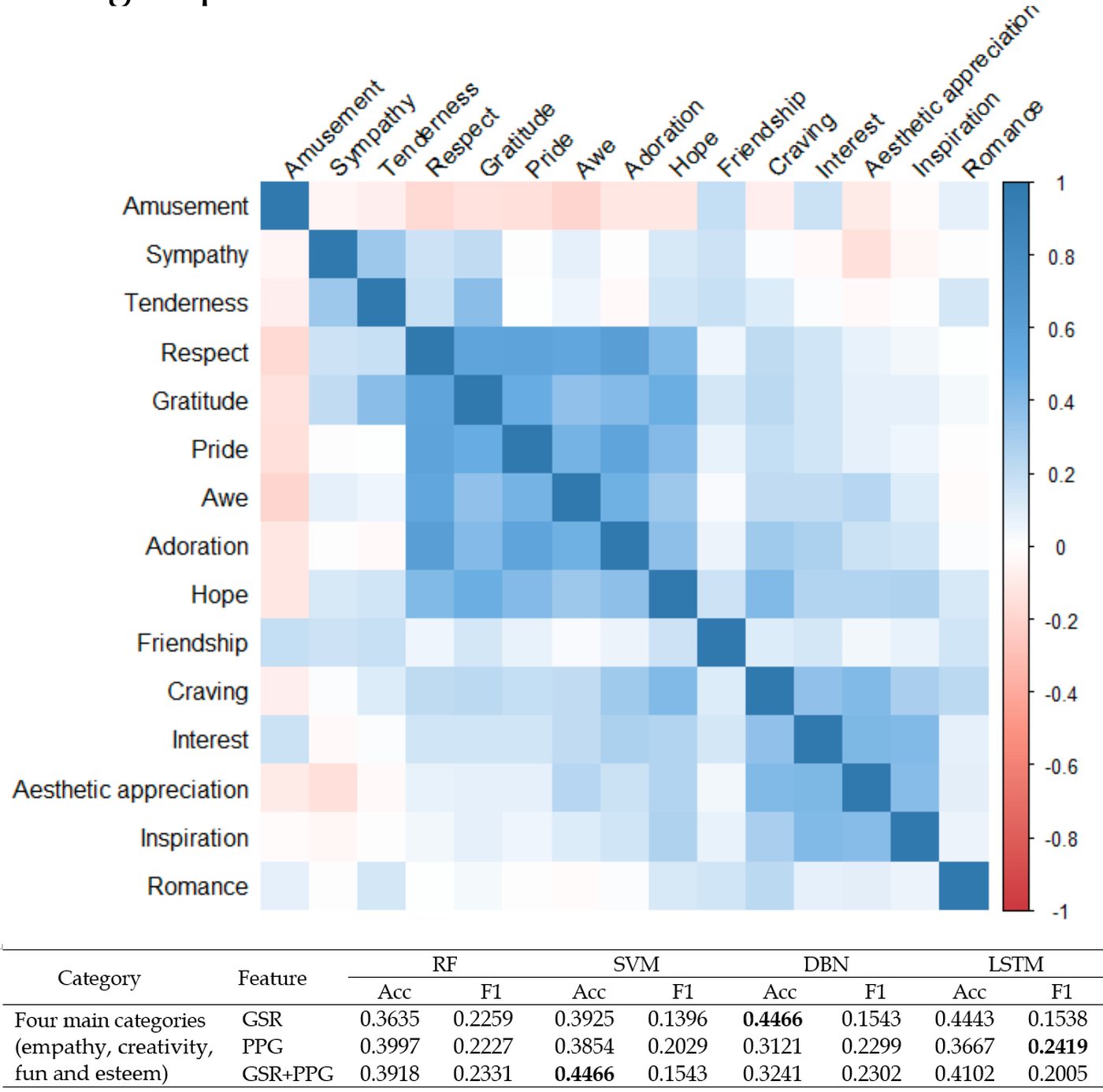
ReferenceQi, H., Zhang, Y., Dong, K., & Zhao, G. (2024). How dyadic emotional transmission shapes teacher-student relationship: effects of emotional convergence on cohesion in teacher-student interaction. Current Psychology, 43(28), 23469-23483.
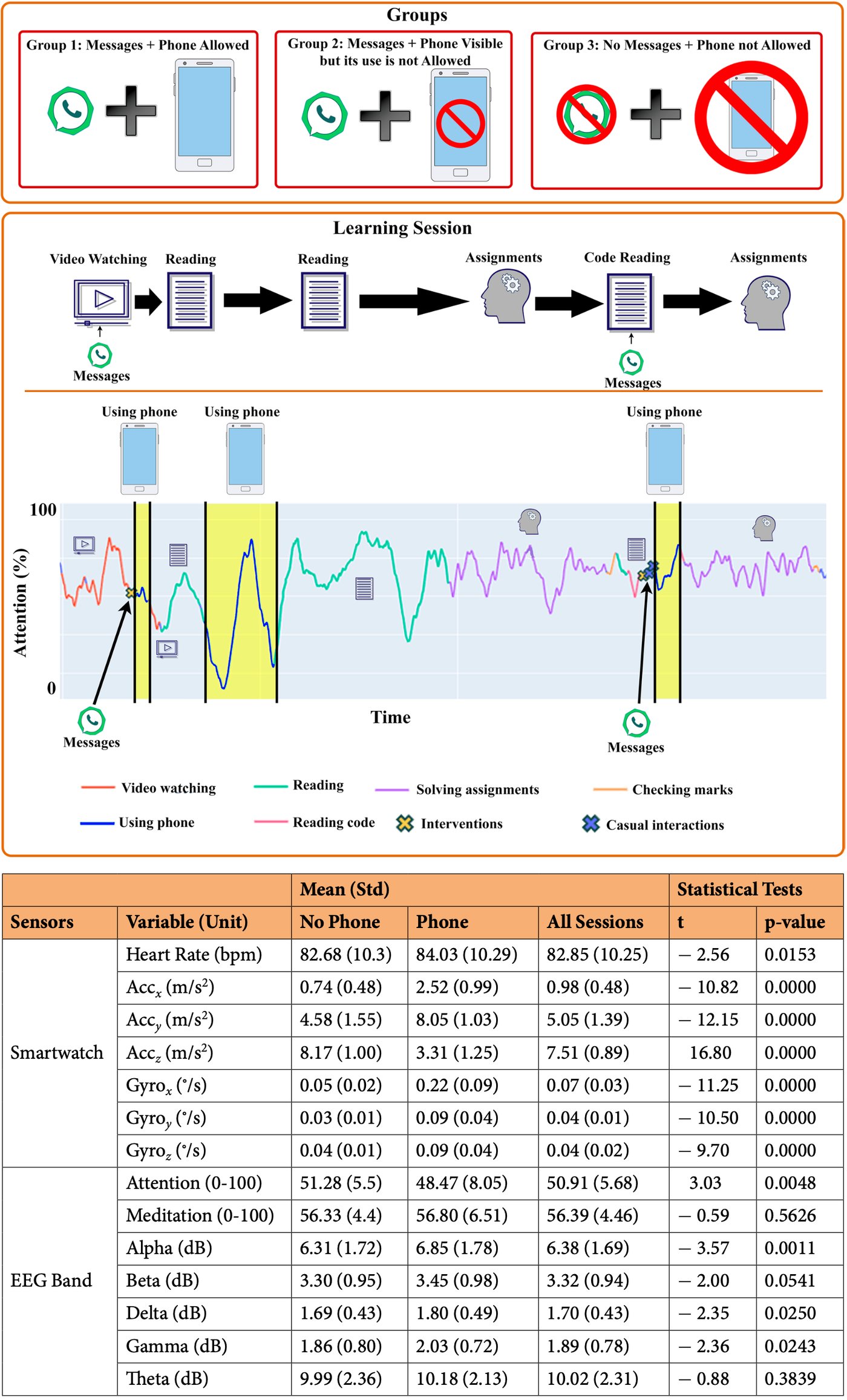
ReferenceDaza, R., Becerra, A., Cobos, R., Fierrez, J., & Morales, A. (2025). A multimodal dataset for understanding the impact of mobile phones on remote online virtual education. Scientific Data, 12(1), 1332.
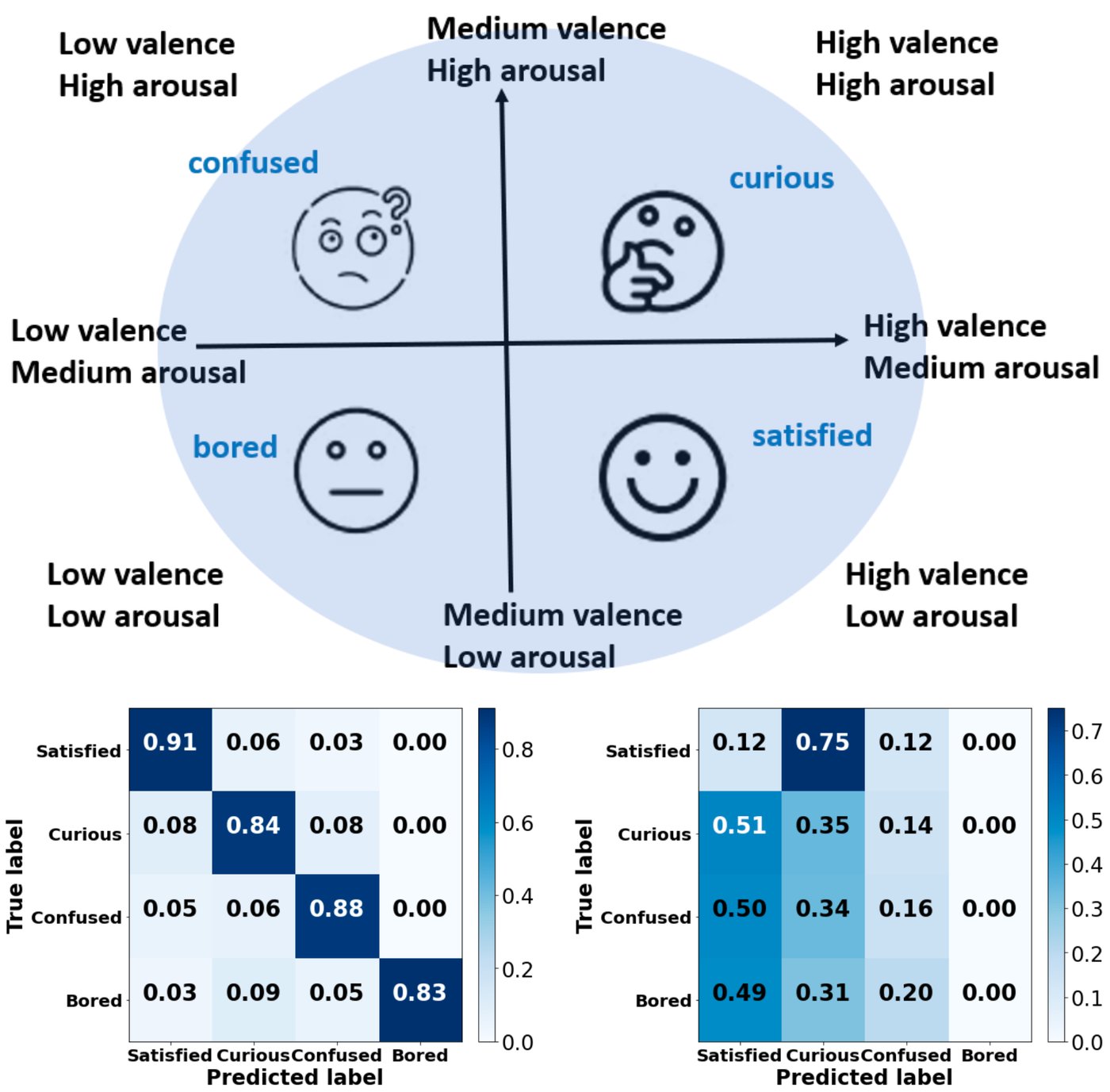
ReferenceChoksi, K., Chen, H., Joshi, K., Jade, S., Nirjon, S., & Lin, S. (2024). SensEmo: Enabling Affective Learning through Real-time Emotion Recognition with Smartwatches. 2024 IEEE 21st International Conference on Mobile Ad-Hoc and Smart Systems (MASS), 453-459.
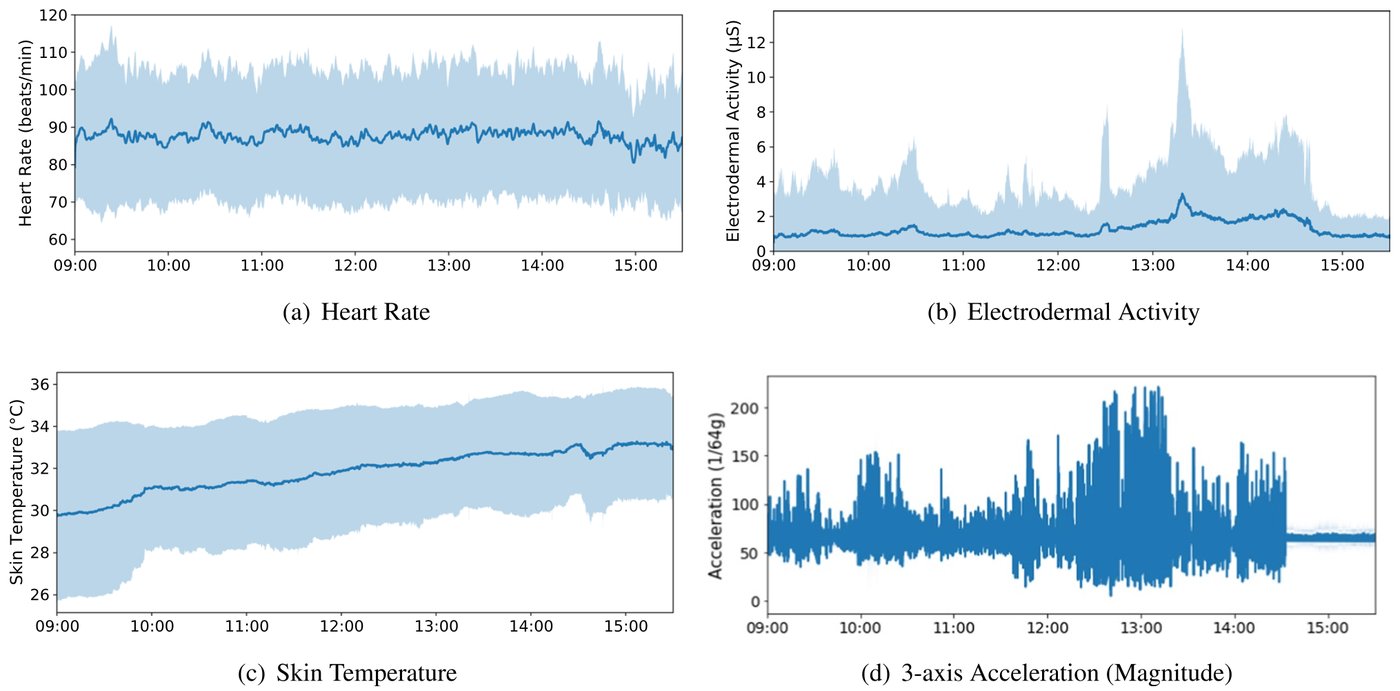
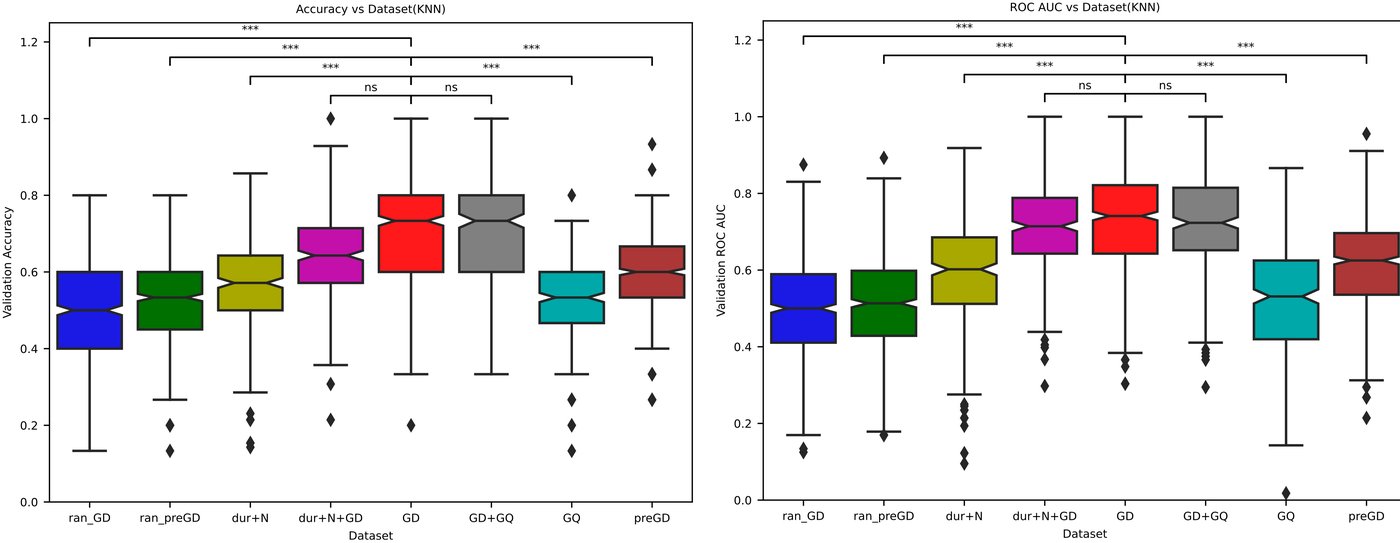
ReferenceGao, N., Marschall, M., Burry, J., Watkins, S., & Salim, F. D. (2022). Understanding occupants' behaviour, engagement, emotion, and comfort indoors with heterogeneous sensors and wearables. Scientific Data, 9(1), 261.
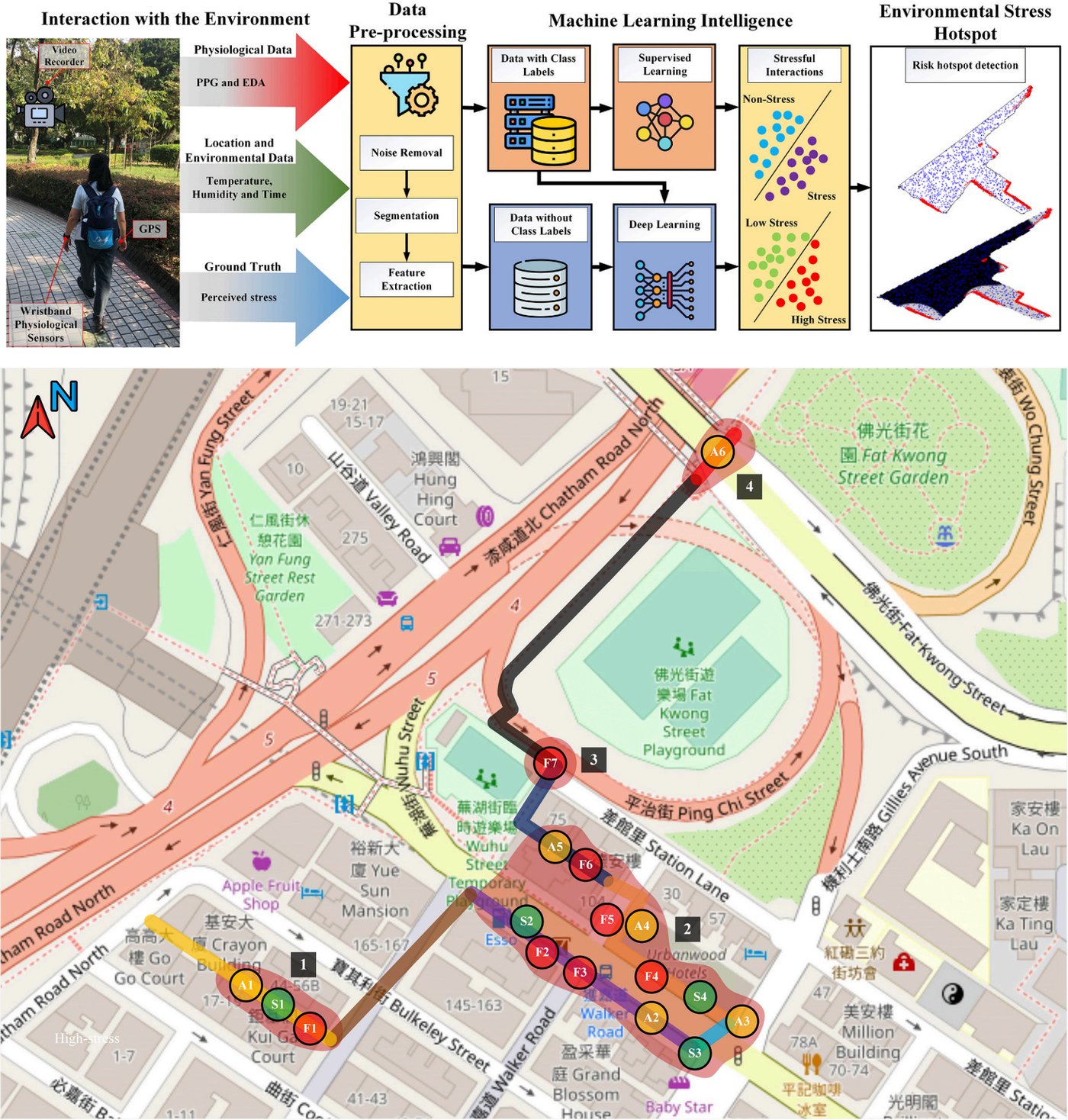
ReferenceTorku, A., Chan, A., Yung, E., & Seo, J. (2022). Detecting stressful older adults-environment interactions to improve neighborhood mobility: A multimodal physiological sensing, machine learning, and risk hotspot analysis-based approach. Building and Environment, 224: 109533.
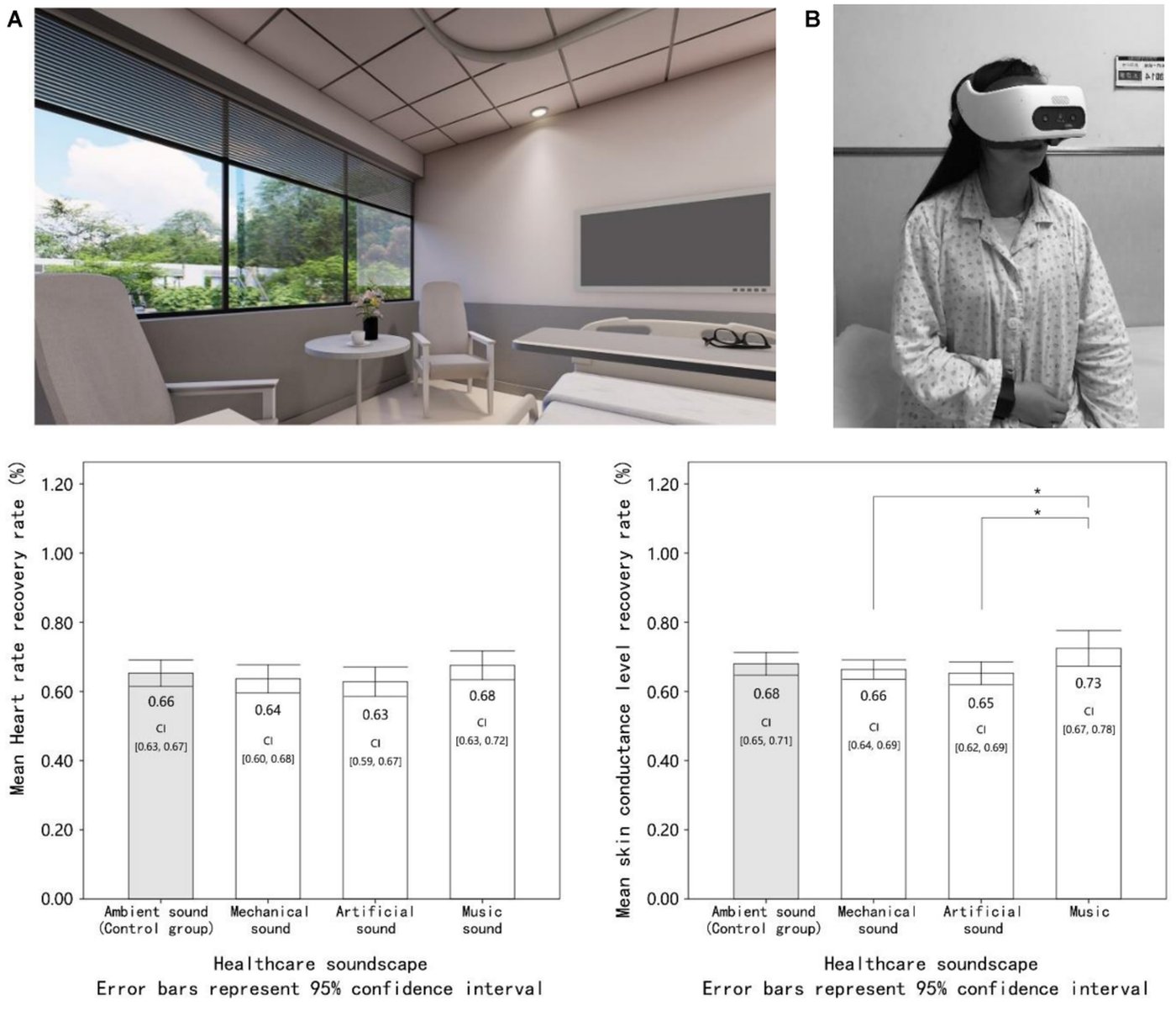
ReferenceZhou, T., Wu, Y., Meng, Q., & Kang, J. (2020). Influence of the Acoustic Environment in Hospital Wards on Patient Physiological and Psychological Indices. Frontiers in Psychology, 11: 1600.
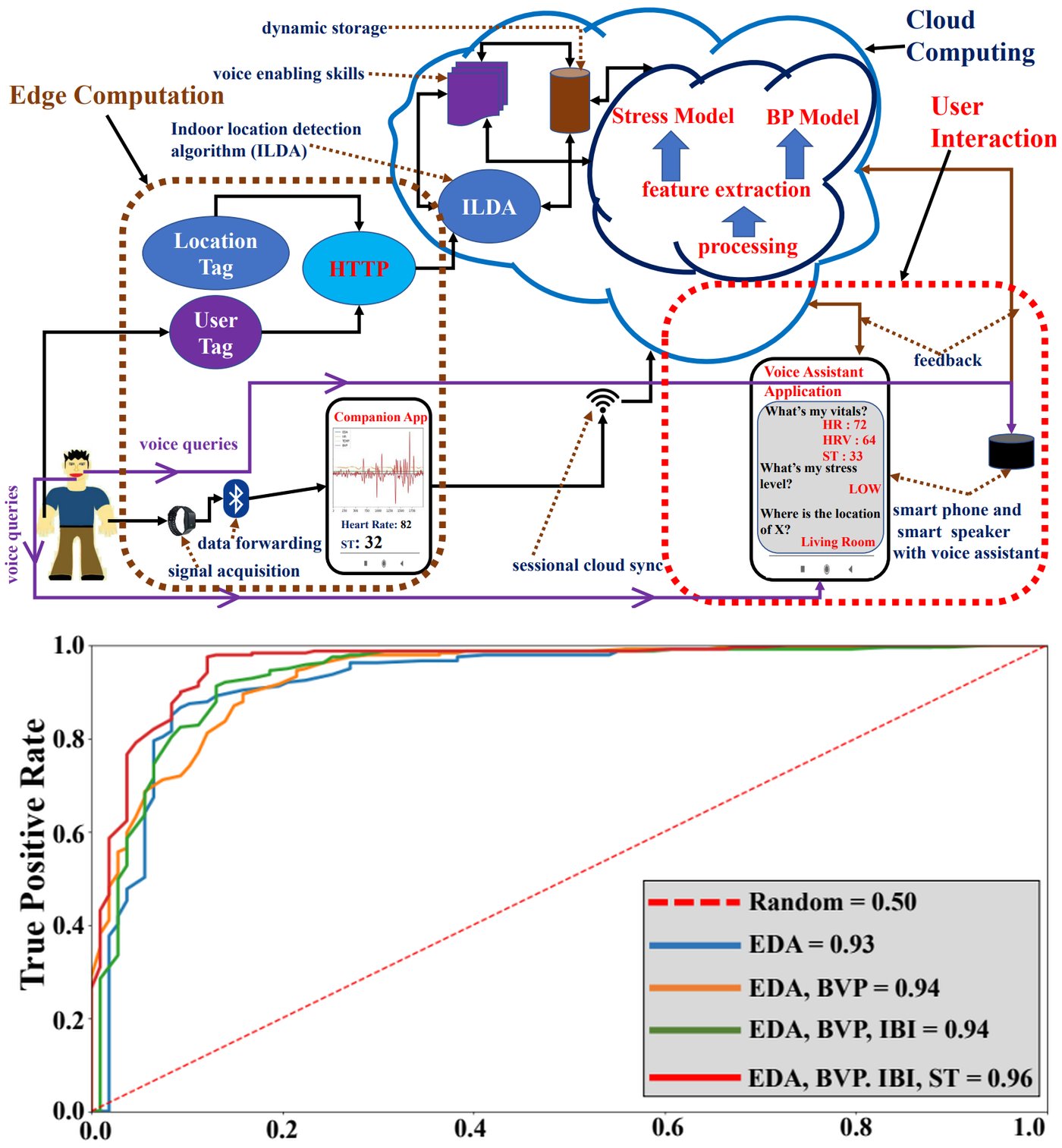
ReferenceNath, R. K., & Thapliyal, H. (2021, July). Wearable health monitoring system for older adults in a smart home environment. In 2021 IEEE Computer Society Annual Symposium on VLSI (ISVLSI) (pp. 390-395). IEEE.
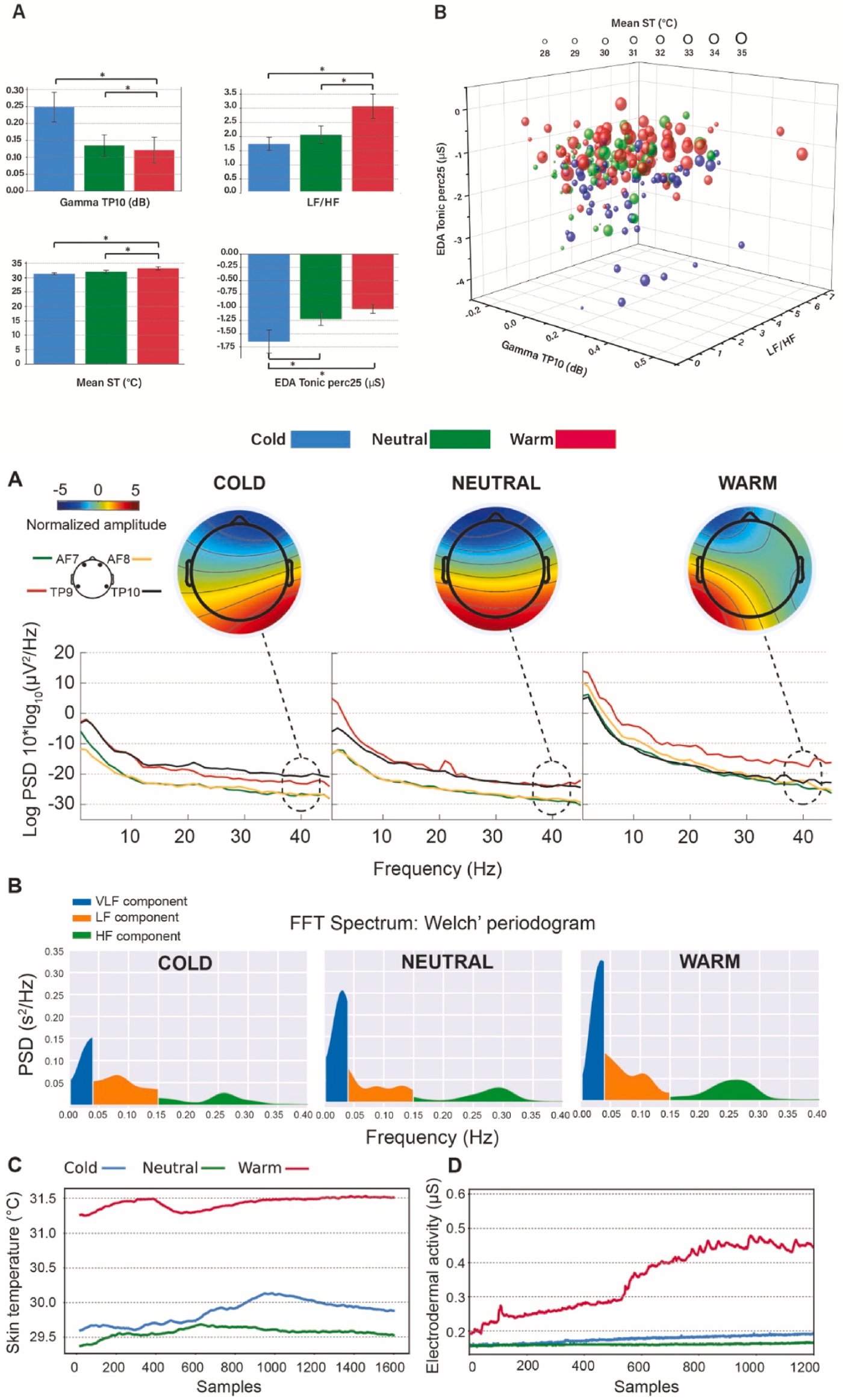
ReferenceMansi, S. A., Pigliautile, I., Arnesano, M., & Pisello, A. L. (2022). A novel methodology for human thermal comfort decoding via physiological signals measurement and analysis. Building and Environment, 222, 109385.
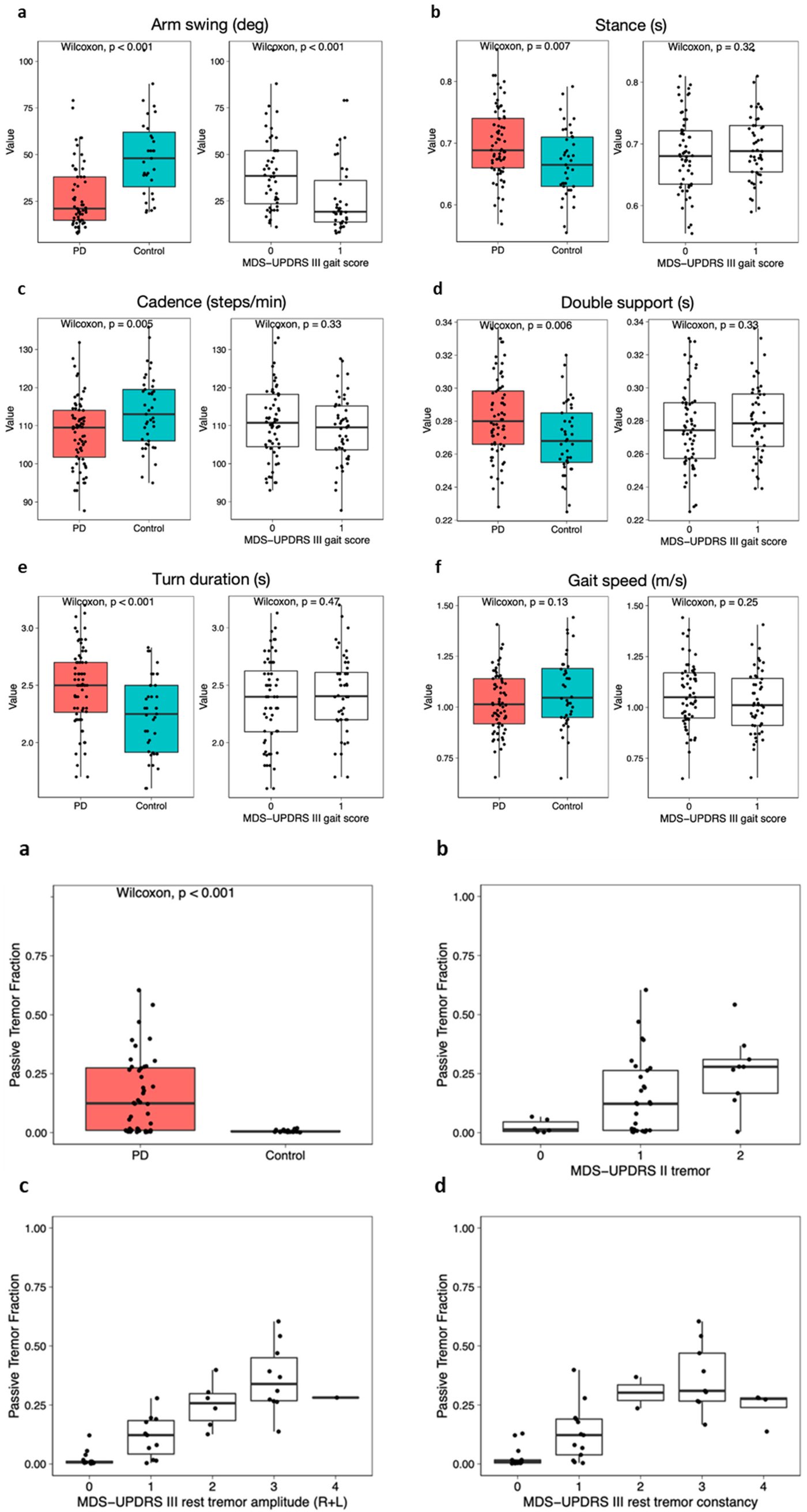
ReferenceAdams, J. L., Kangarloo, T., Gong, Y., Khachadourian, V., Tracey, B., Volfson, D., ... & Dorsey, E. R. (2024). Using a smartwatch and smartphone to assess early Parkinson's disease in the WATCH-PD study over 12 months. npj Parkinson's Disease, 10(1), 112.
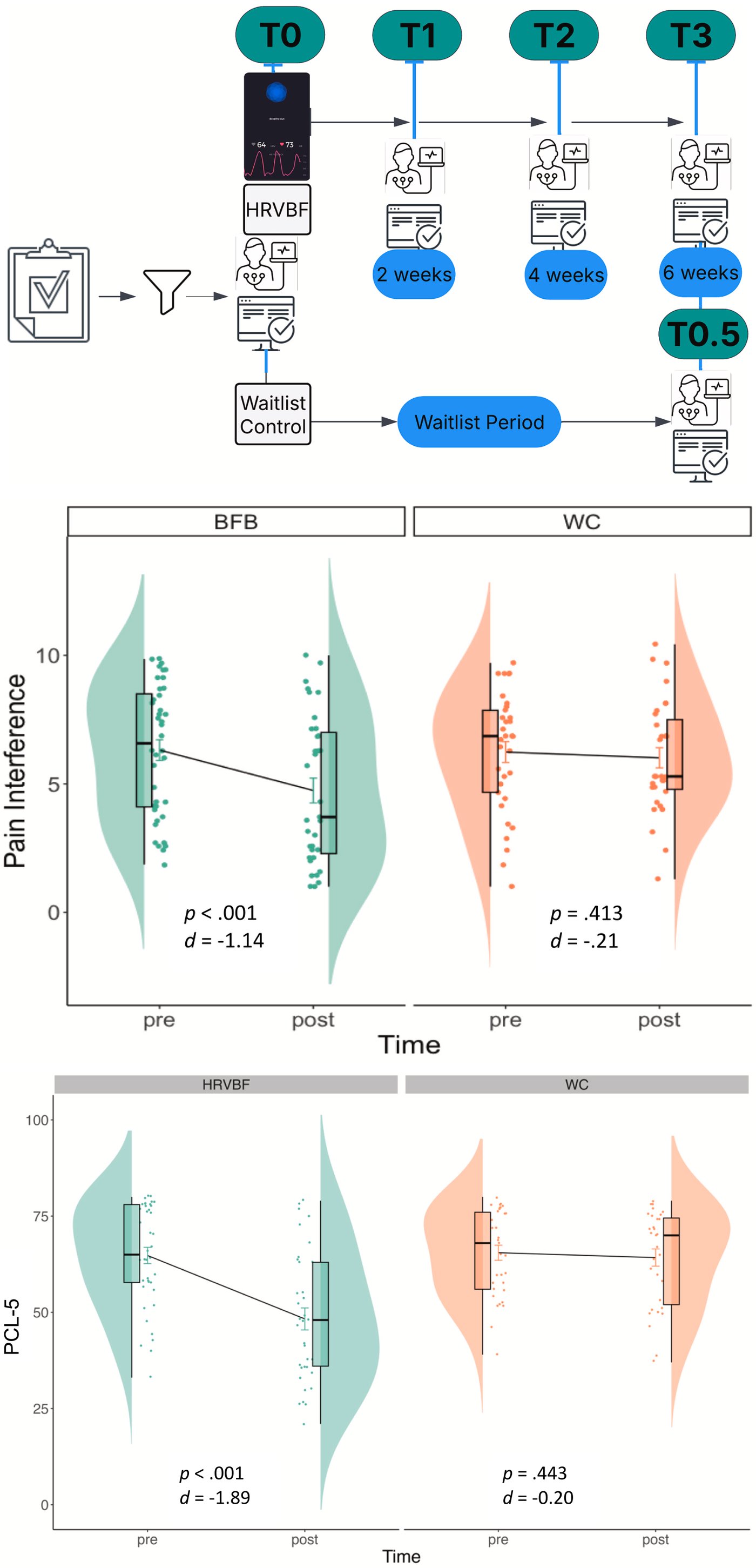
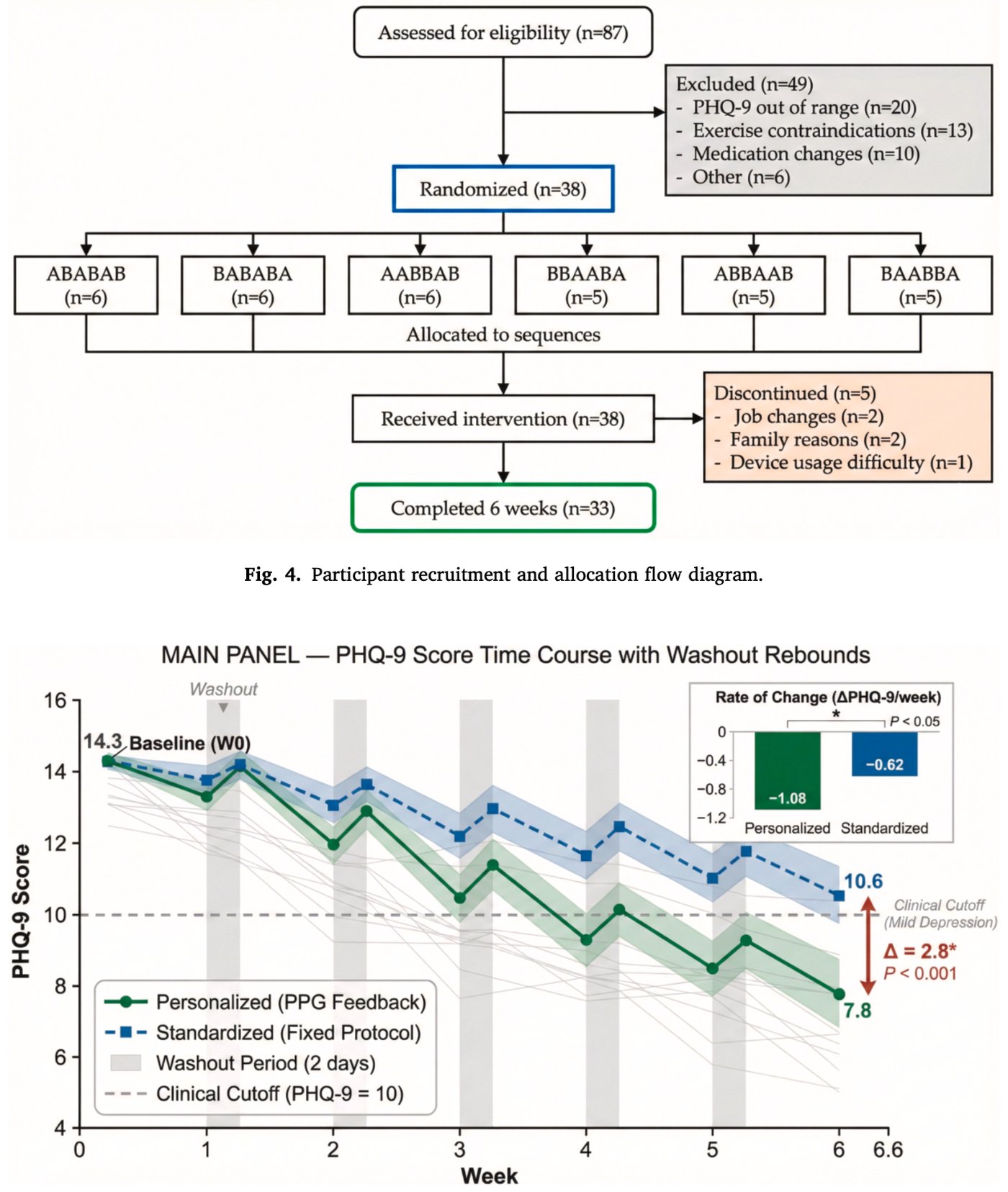
ReferenceChadwick, T. M., Tatschl, J. M., Fujiyama, H., Drummond, P. D., & Mathersul, D. C. (2025). Heart rate variability biofeedback improves co-occurring posttraumatic stress disorder and chronic pain symptoms: A randomised waitlist controlled trial. Journal of Affective Disorders, 120558.
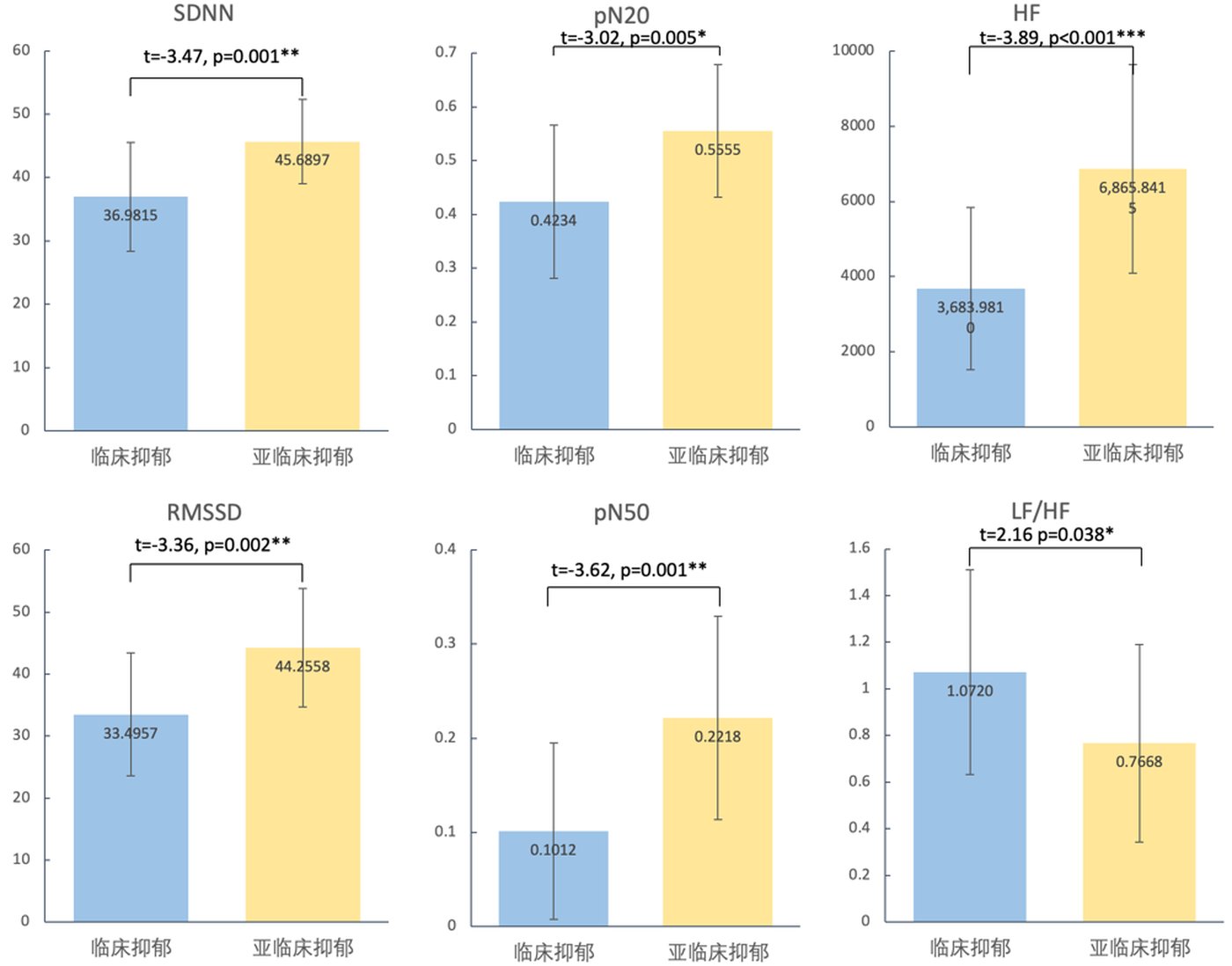
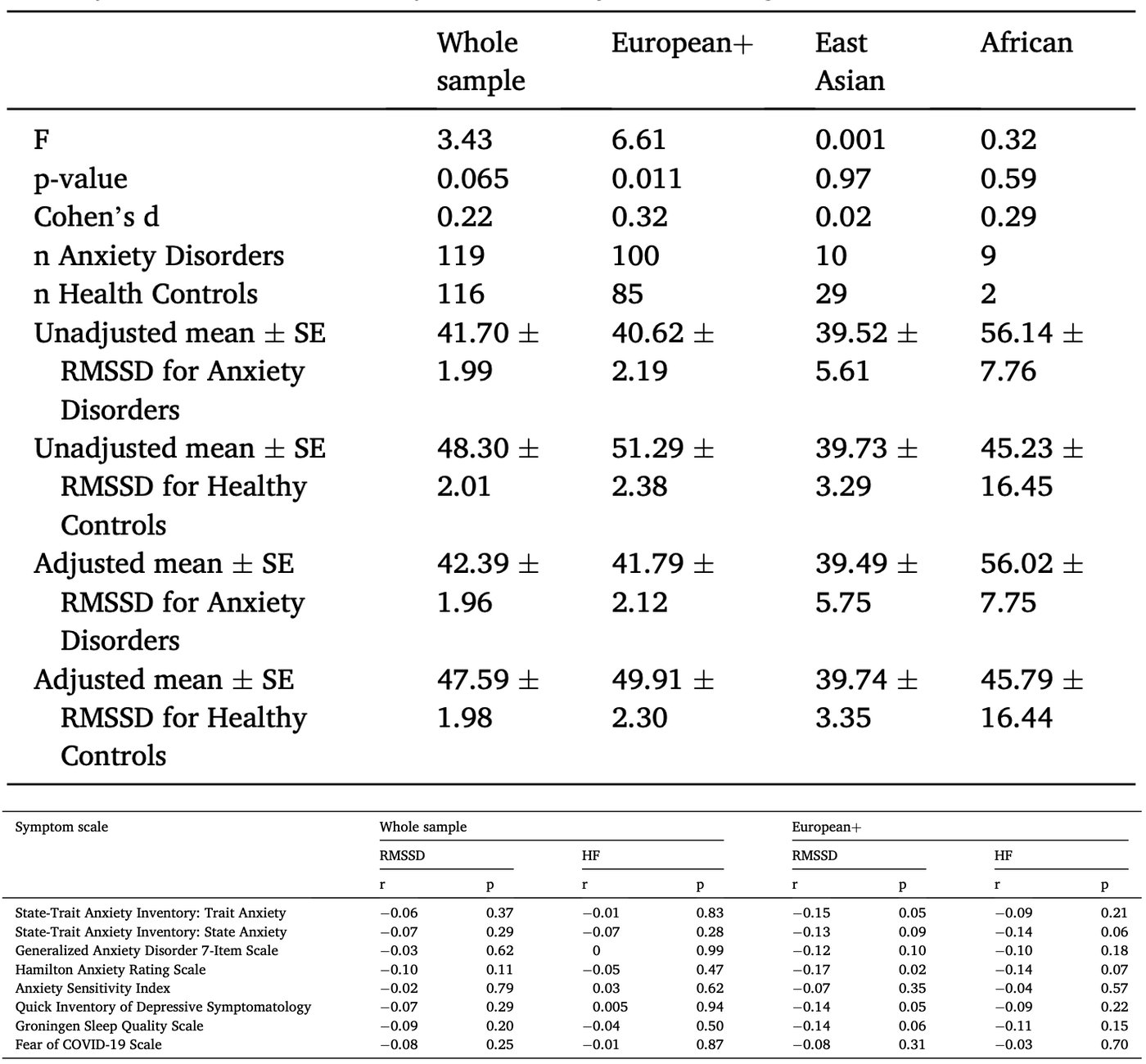
ReferenceTomasi, J., Zai, C. C., Zai, G., Herbert, D., Richter, M. A., Mohiuddin, A. G., ... & Kennedy, J. L. (2024). Investigating the association of anxiety disorders with heart rate variability measured using a wearable device. Journal of Affective Disorders, 351, 569-578.
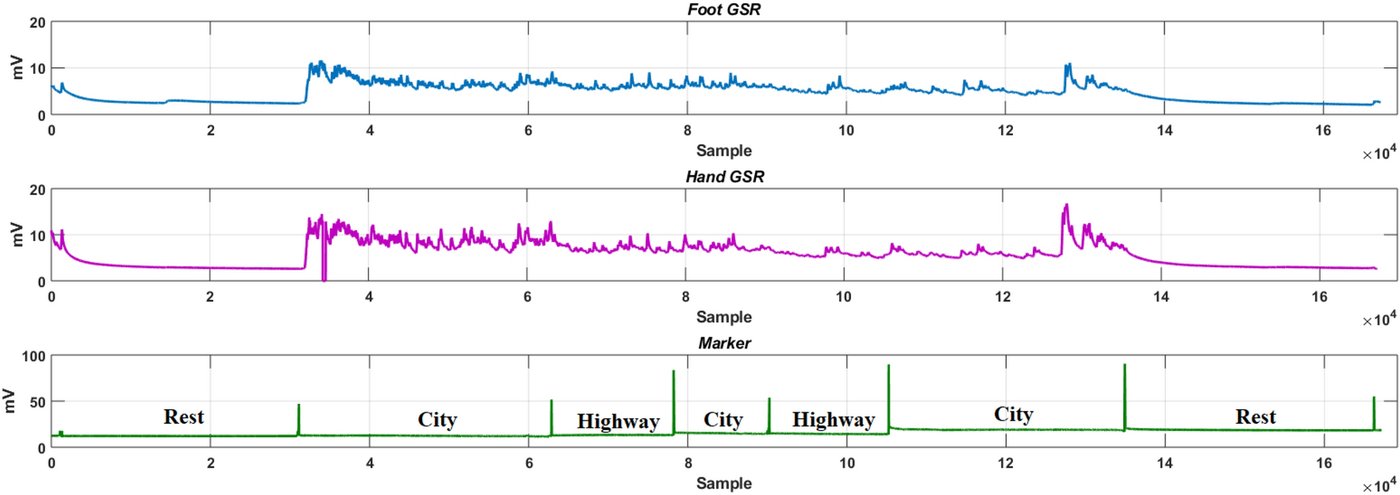
ReferenceMemar, M., & Mokaribolhassan, A. (2021). Stress level classification using statistical analysis of skin conductance signal while driving. SN Applied Sciences, 3(1), 64.
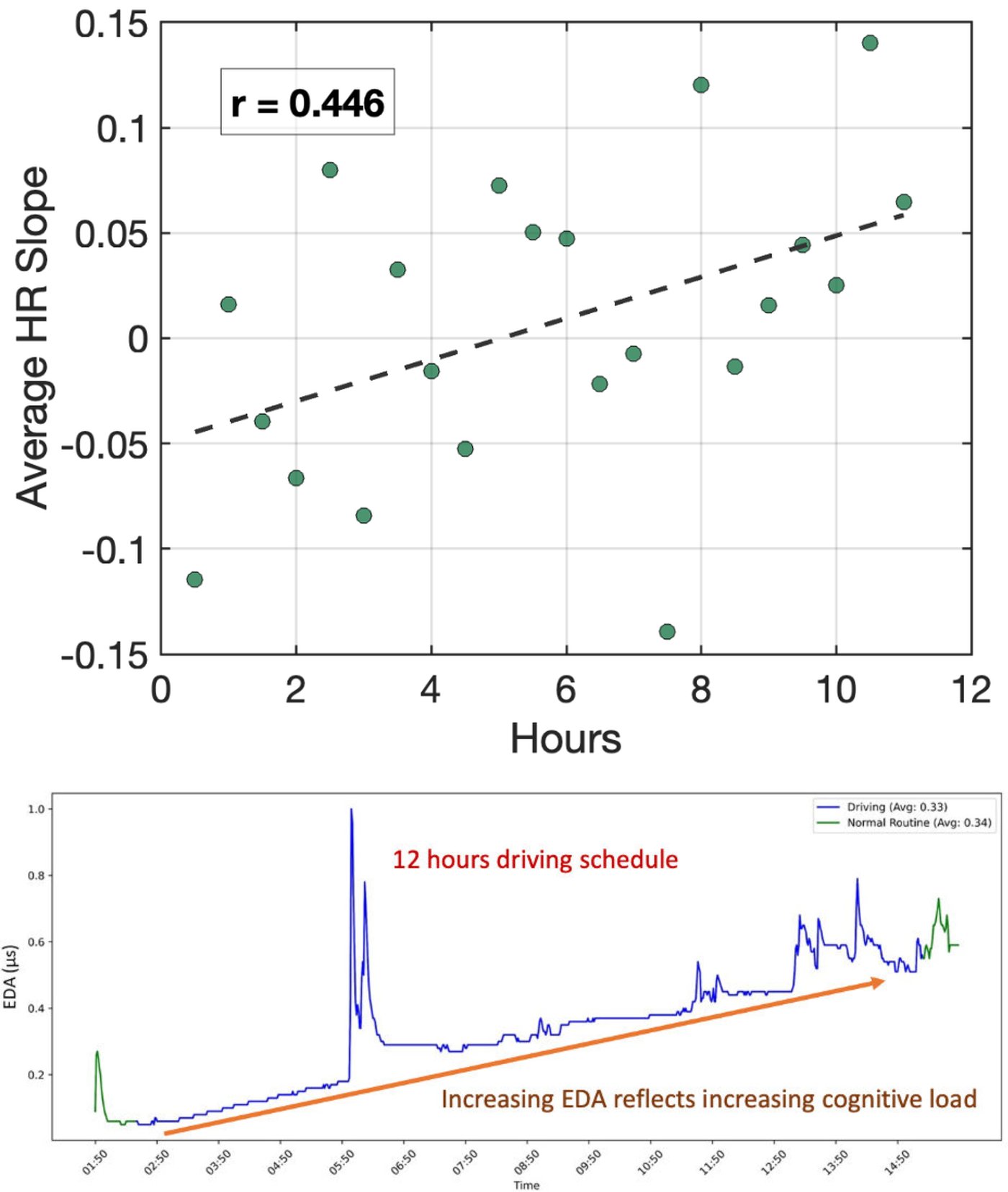
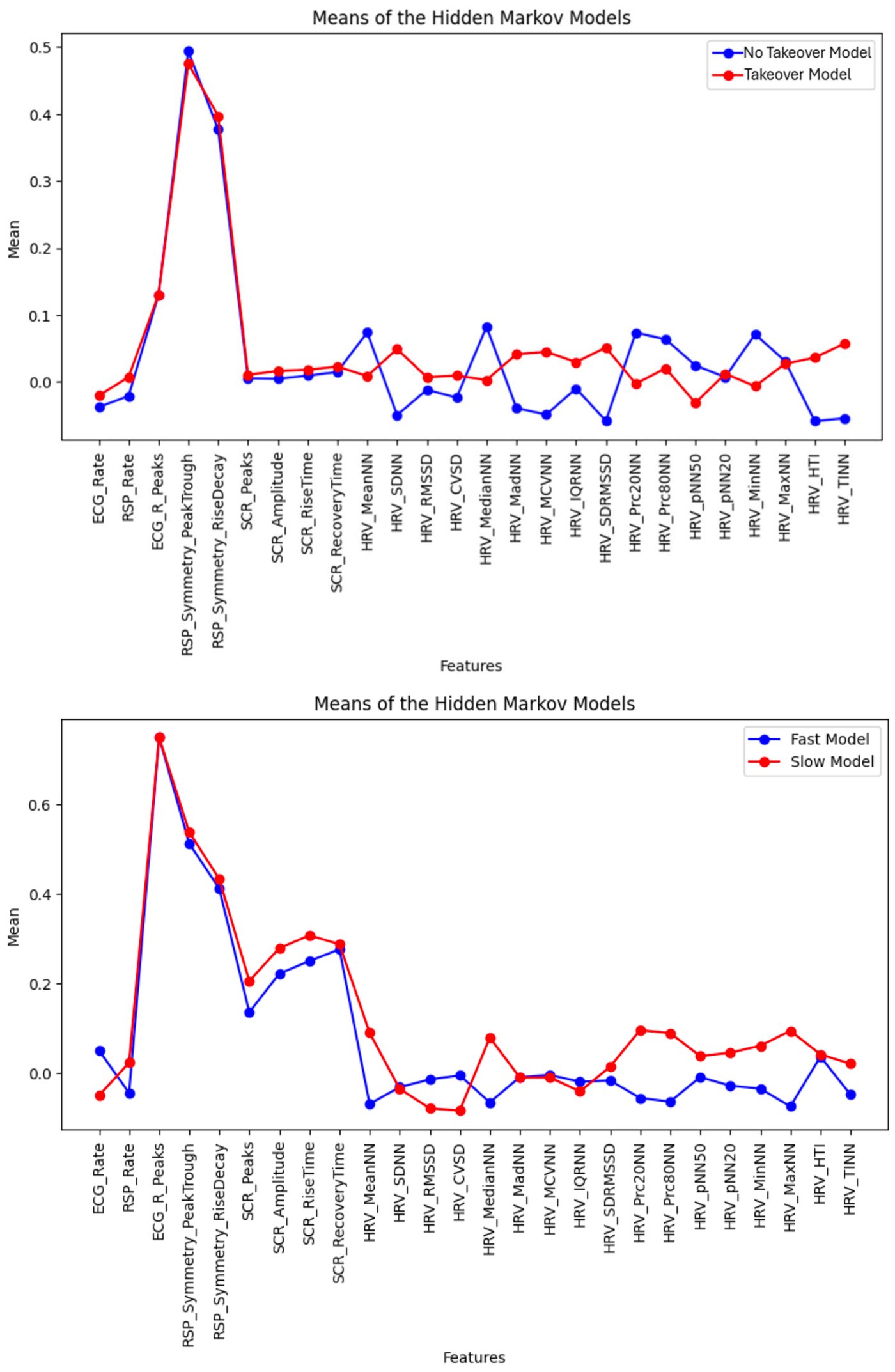
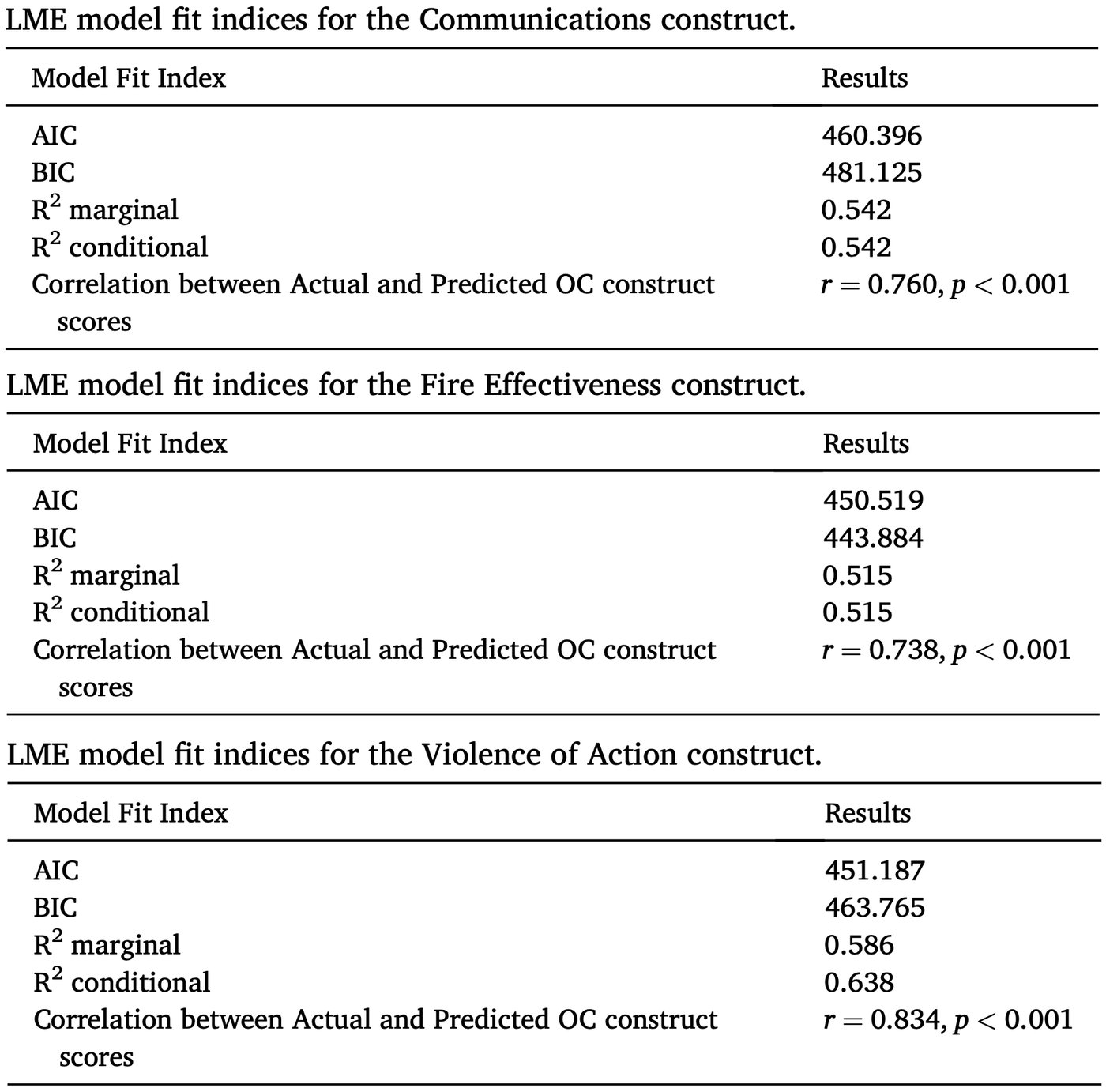
ReferenceMiller, J. A., Nikan, S., & Zaki, M. H. (2026). Modeling driver state and takeover behavior in conditional automation using physiological signals. IEEE Open Journal of Intelligent Transportation Systems, 7, 477-491.
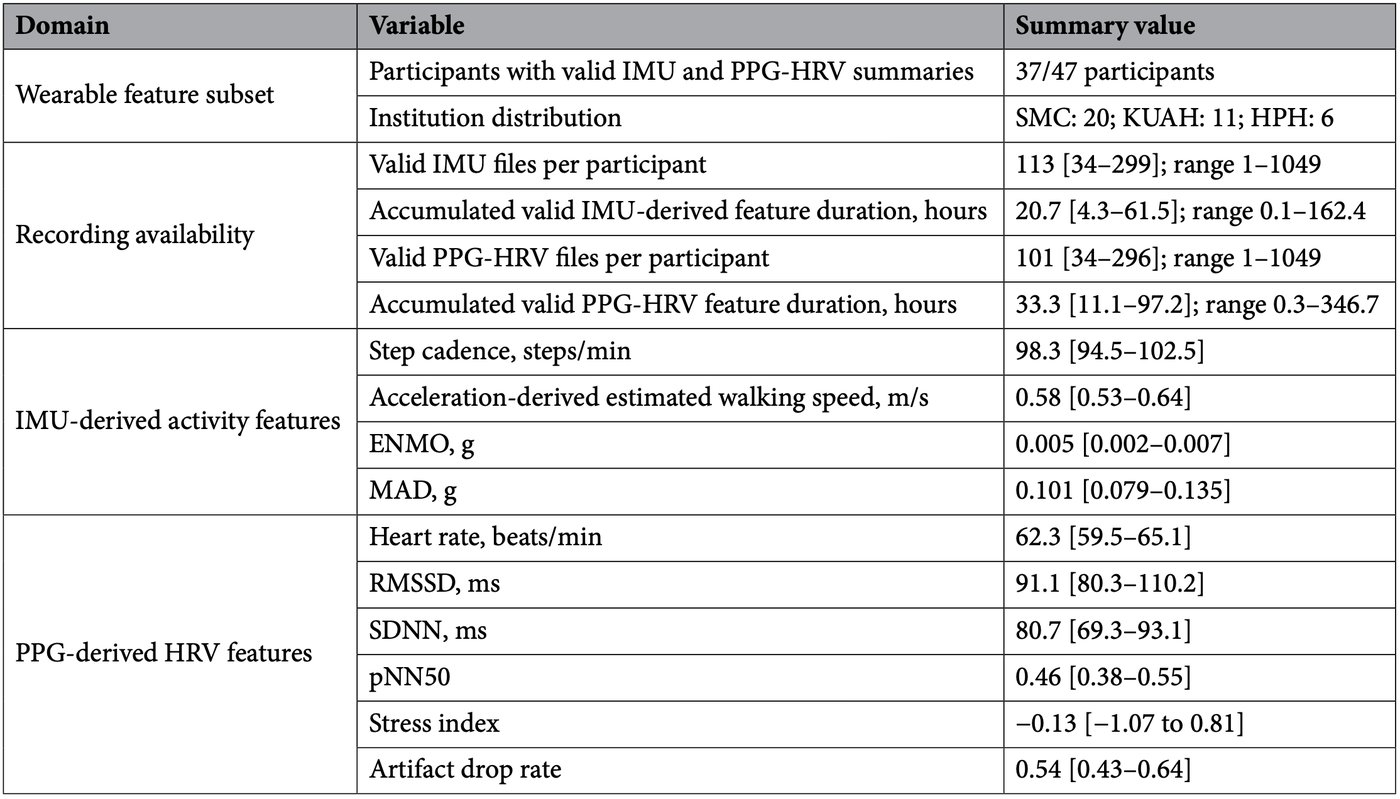
ReferenceChoi, H. H., Choi, S., Kim, S. H., Seo, W. K., Jung, J. M., Park, S., & Seo, H. C. (2026). Smartwatch-based automated lifelog platform: feasibility and preliminary real-world evaluation with real-world data from post-stroke patients. Scientific Reports.
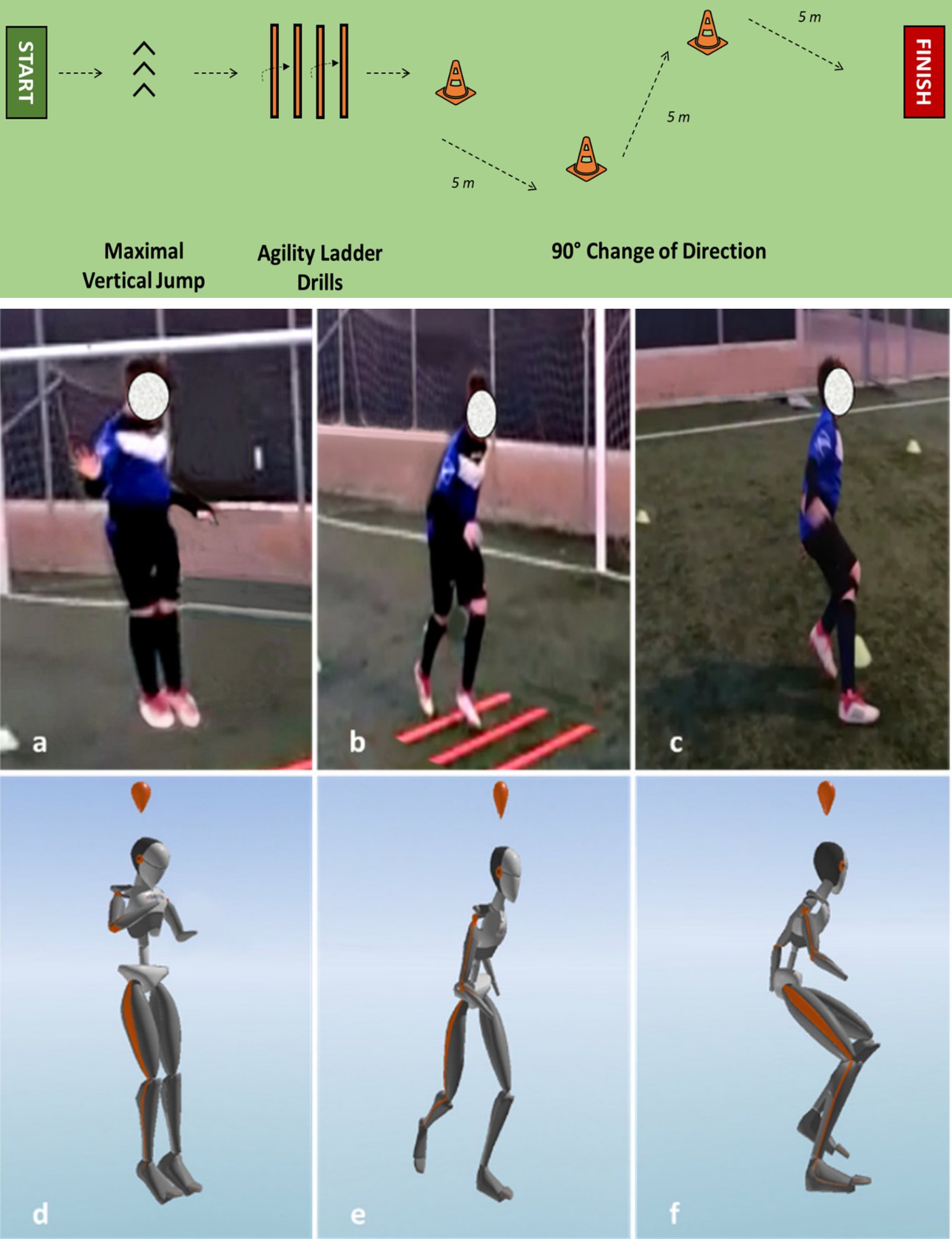
ReferenceDi Paolo, S., Zaffagnini, S., Pizza, N., Grassi, A., & Bragonzoni, L. (2021). Poor motor coordination elicits altered lower limb biomechanics in young football (soccer) players: implications for injury prevention through wearable sensors. Sensors, 21(13), 4371.
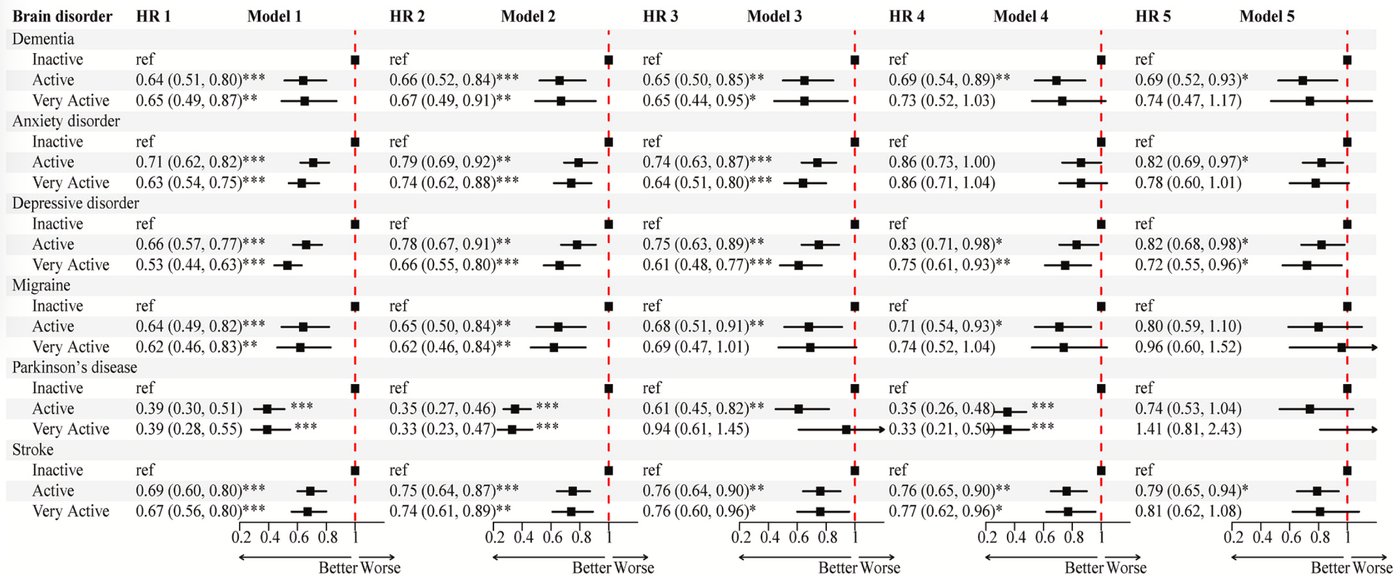
ReferenceLi, Z., Lei, Y., Wen, Z., Duan, L., & Xiao, Z. (2026). Accelerometer-derived hourly segmentation of daily physical activity frequency and brain health: A prospective cohort study in middle-aged/older adults. Journal of Affective Disorders, 121528.
ReferenceHancock, C. L., Teo, G. W., King, M. J., Goodwin, G. A., Pitts, K. P., Coyne, M. E., ... & O'Donovan, M. P. (2025). Quantitative team performance metrics for dismounted infantry battle drill analysis. Applied Ergonomics, 125, 104473.
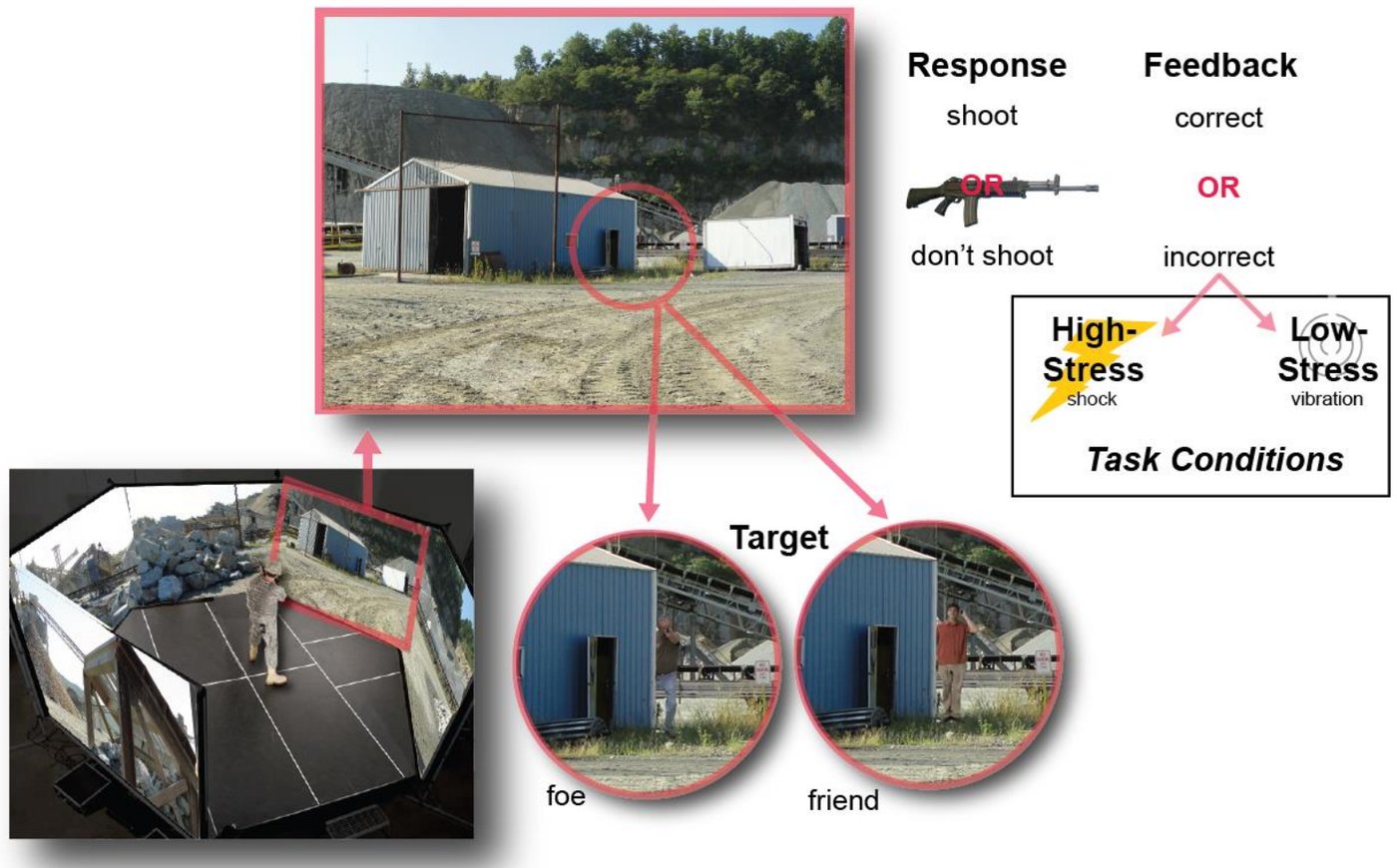
ReferenceGamble, K. R., Vettel, J. M., Patton, D. J., Eddy, M. D., Davis, F. C., Garcia, J. O., Spangler, D. P., Thayer, J. F., & Brooks, J. R. (2018). Different profiles of decision making and physiology under varying levels of stress in trained military personnel. International Journal of Psychophysiology, 131: 73-80.
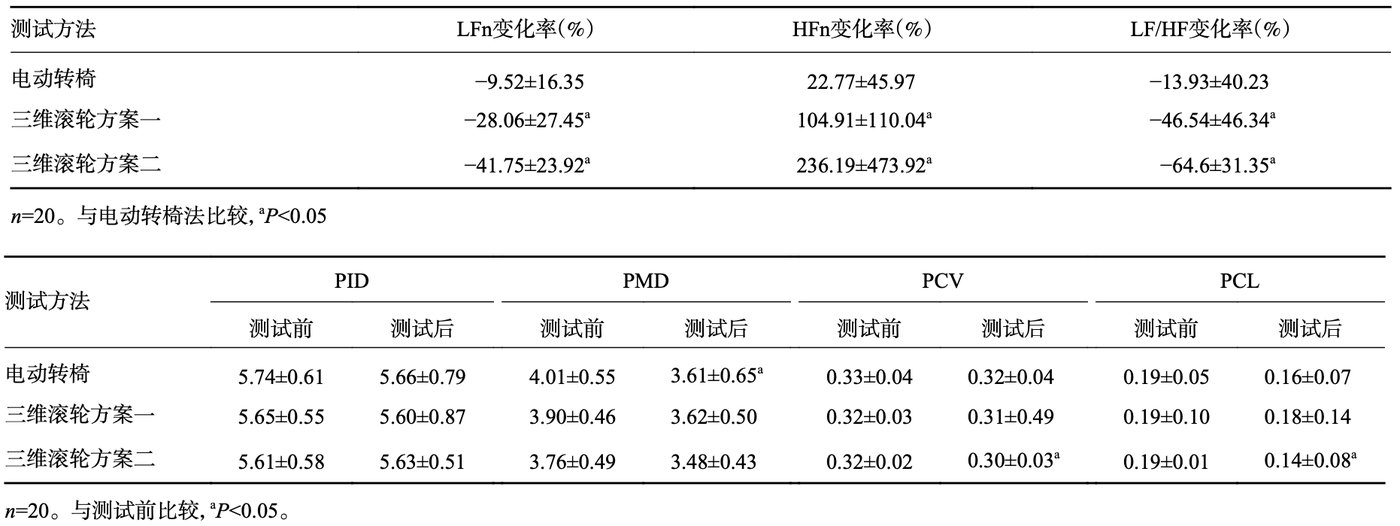
ReferenceZhou, W. G., Yu, P. P., Wu, L. H., Cao, Y. F., Zhou, Y., & Yuan, J. J. (2024). Pilot turning behavior cognitive load analysis in simulated flight. Frontiers in Neuroscience, 18, 1450416.
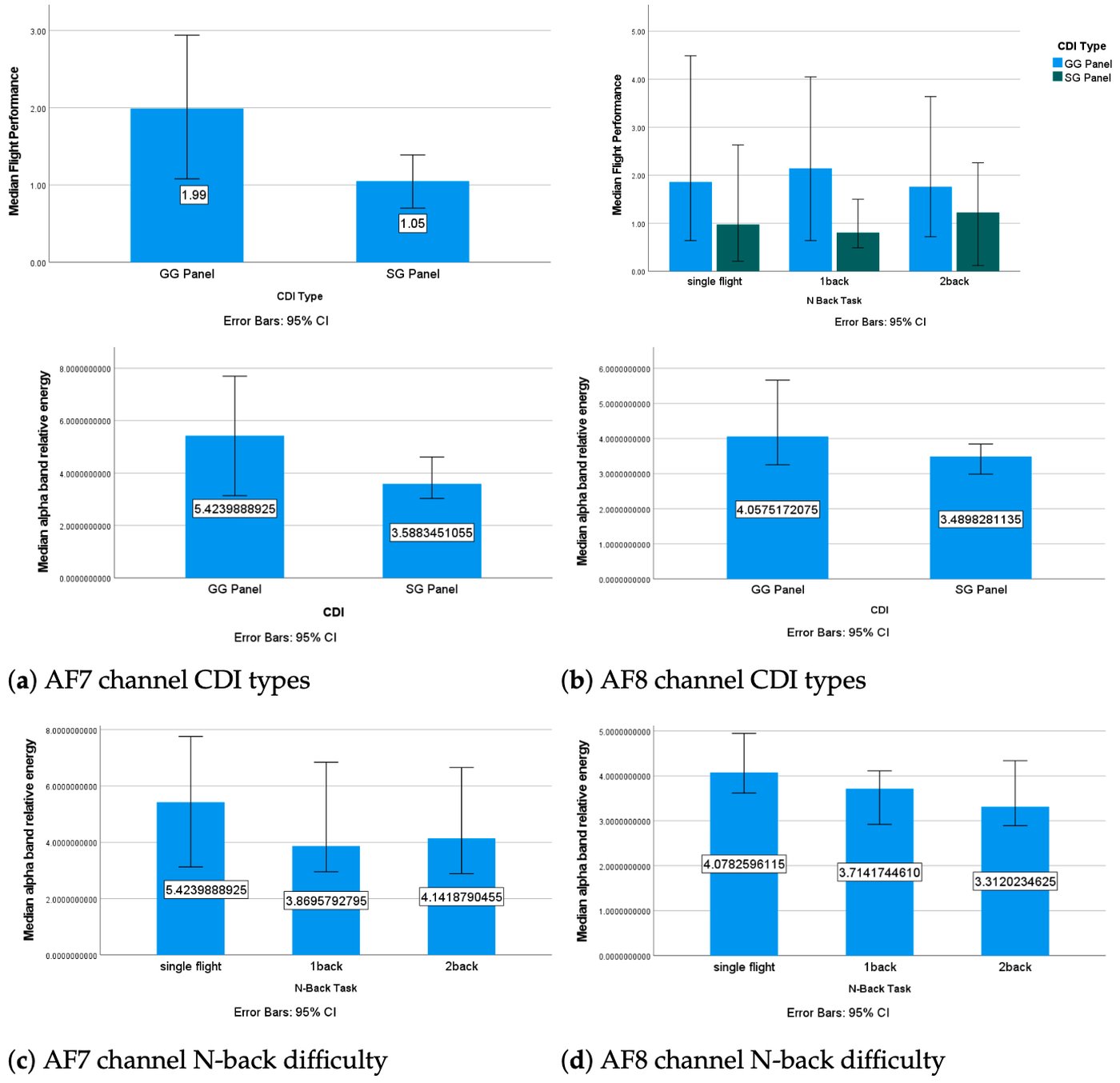
ReferenceTang, H., Lee, B. G., Towey, D., & Pike, M. (2024). The impact of various cockpit display interfaces on novice pilots' mental workload and situational awareness: a comparative study. Sensors, 24(9), 2835.
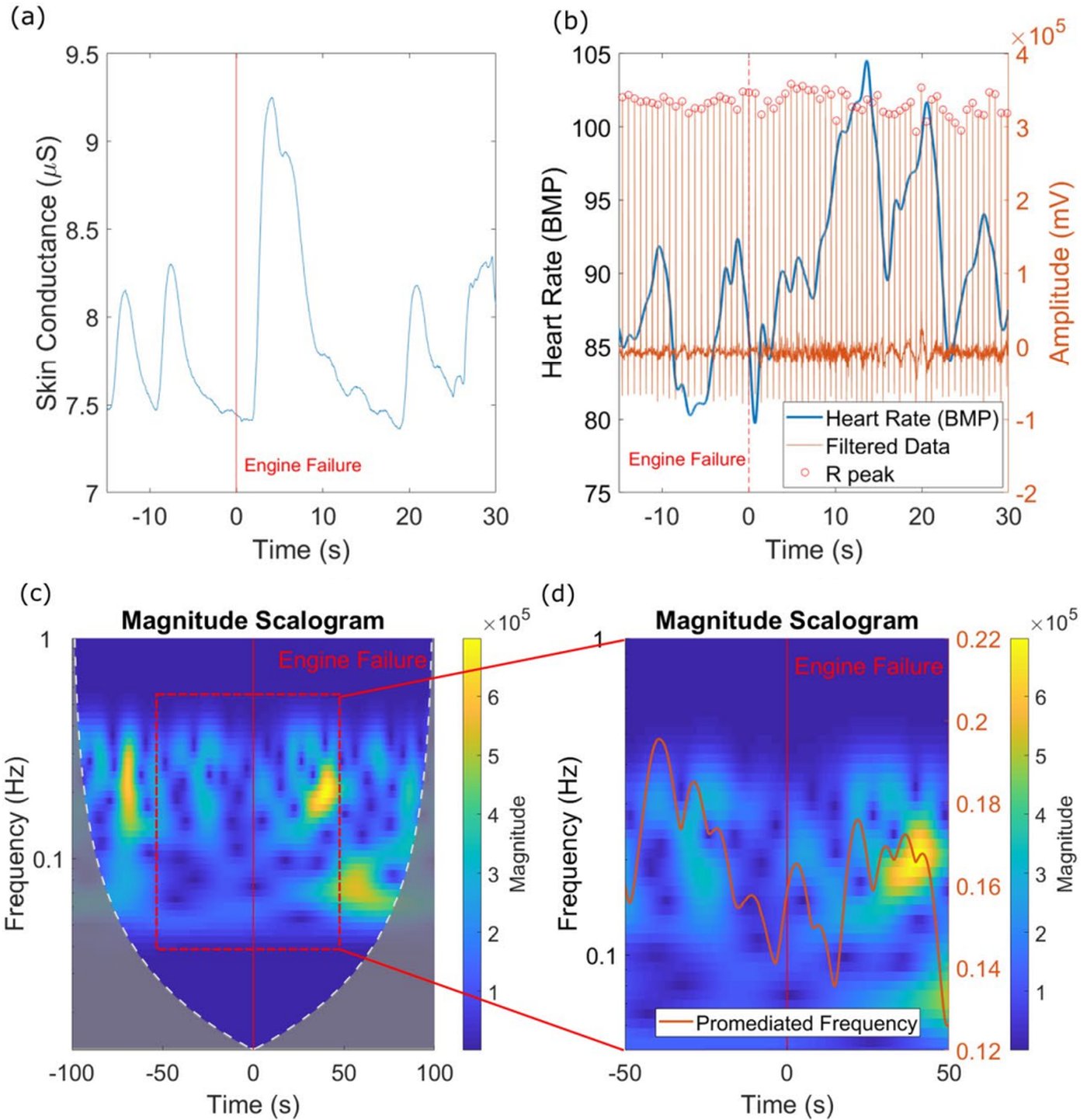
ReferenceScarpari, J., Ribeiro, M., Deolindo, C., et al. (2021). Quantitative assessment of pilot-endured workloads during helicopter flying emergencies: an analysis of physiological parameters during an autorotation. Scientific Reports, 11, 17734.
ReferenceZhang, Y., Zhao, G., Shu, Y., Ge, Y., Zhang, D., Liu, Y. J., & Sun, X. (2021). CPED: A Chinese positive emotion database for emotion elicitation and analysis. IEEE Transactions on Affective Computing, 14(2), 1417-1430.
ReferenceSharika, K. M., Thaikkandi, S., Nivedita, & Platt, M. L. (2024). Interpersonal heart rate synchrony predicts effective information processing in a naturalistic group decision-making task. Proceedings of the National Academy of Sciences, 121(21), e2313801121.
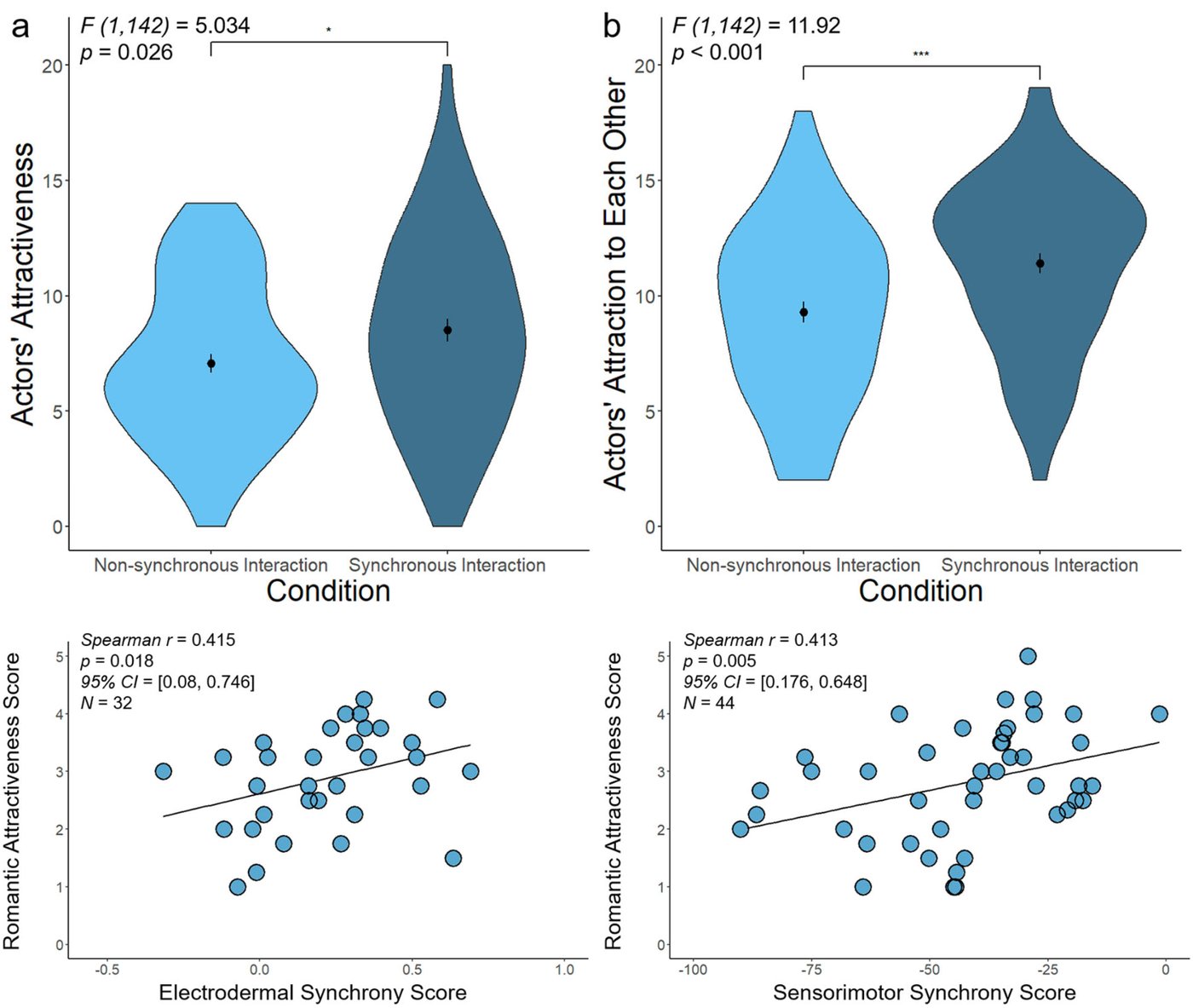
ReferenceCohen, M., Abargil, M., Ahissar, M., & Atzil, S. (2024). Social and nonsocial synchrony are interrelated and romantically attractive. Communications Psychology, 2(1), 57.
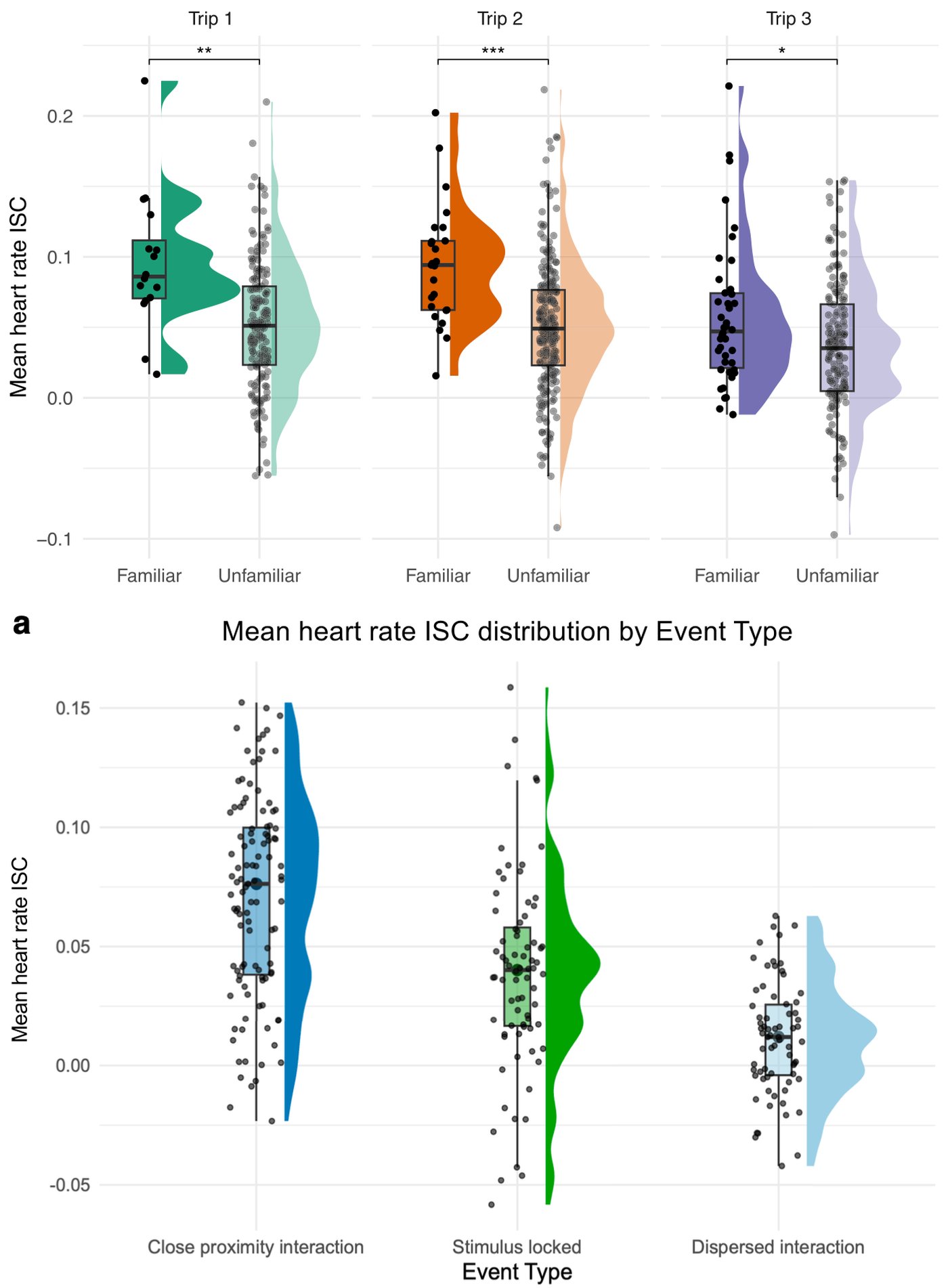
ReferenceHe, H., Christensen, J. H., Sørensen, A. J. M., & Konvalinka, I. (2026). Heart rate synchrony as a marker of real-world social engagement. PNAS Nexus, 5(6), pgag181.
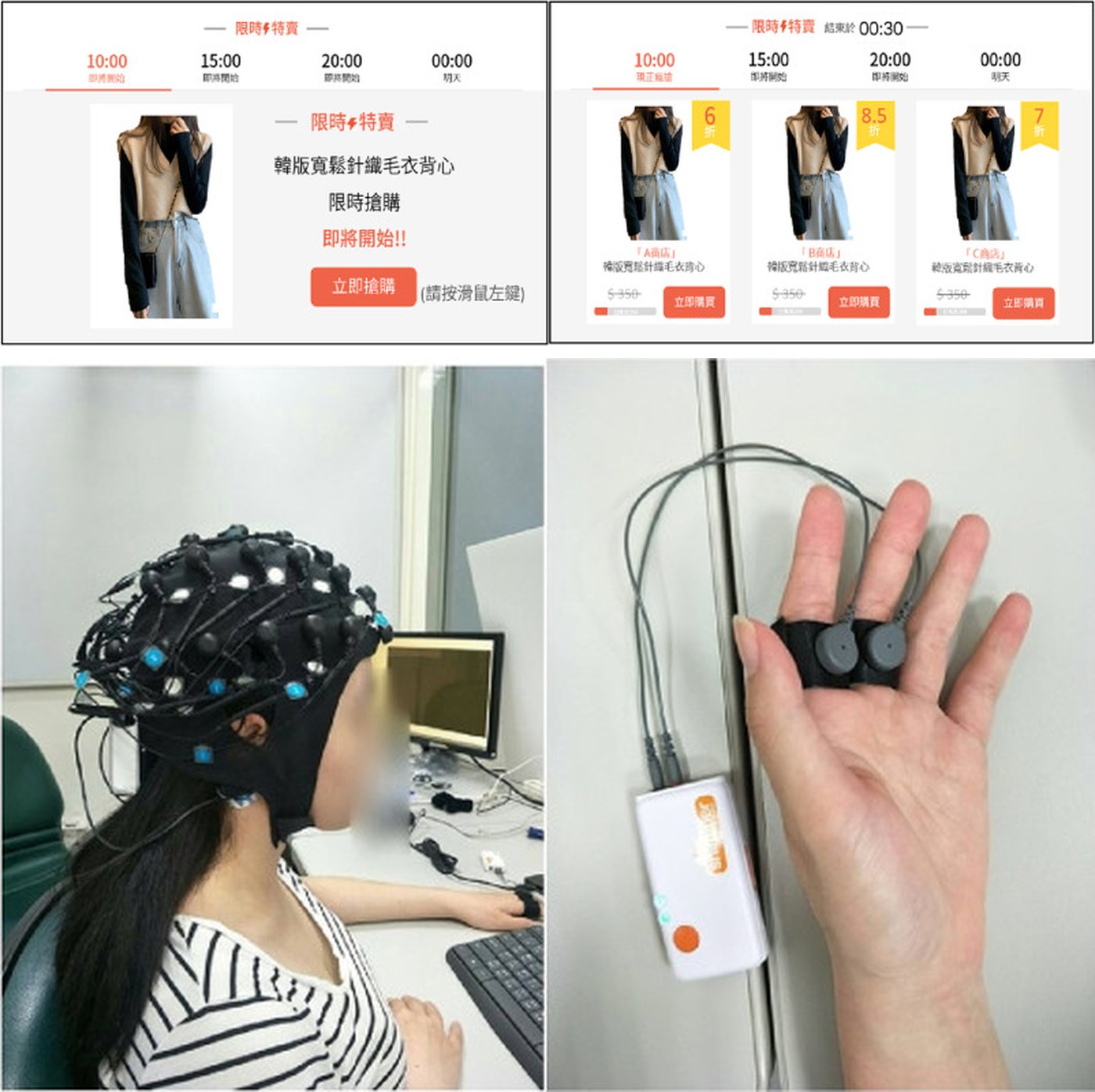
ReferenceLiang, C. C., & Lin, Y. W. (2023). Online promotion effects under time limitation-A study of survey and physiological signals. Decision Support Systems, 113963.
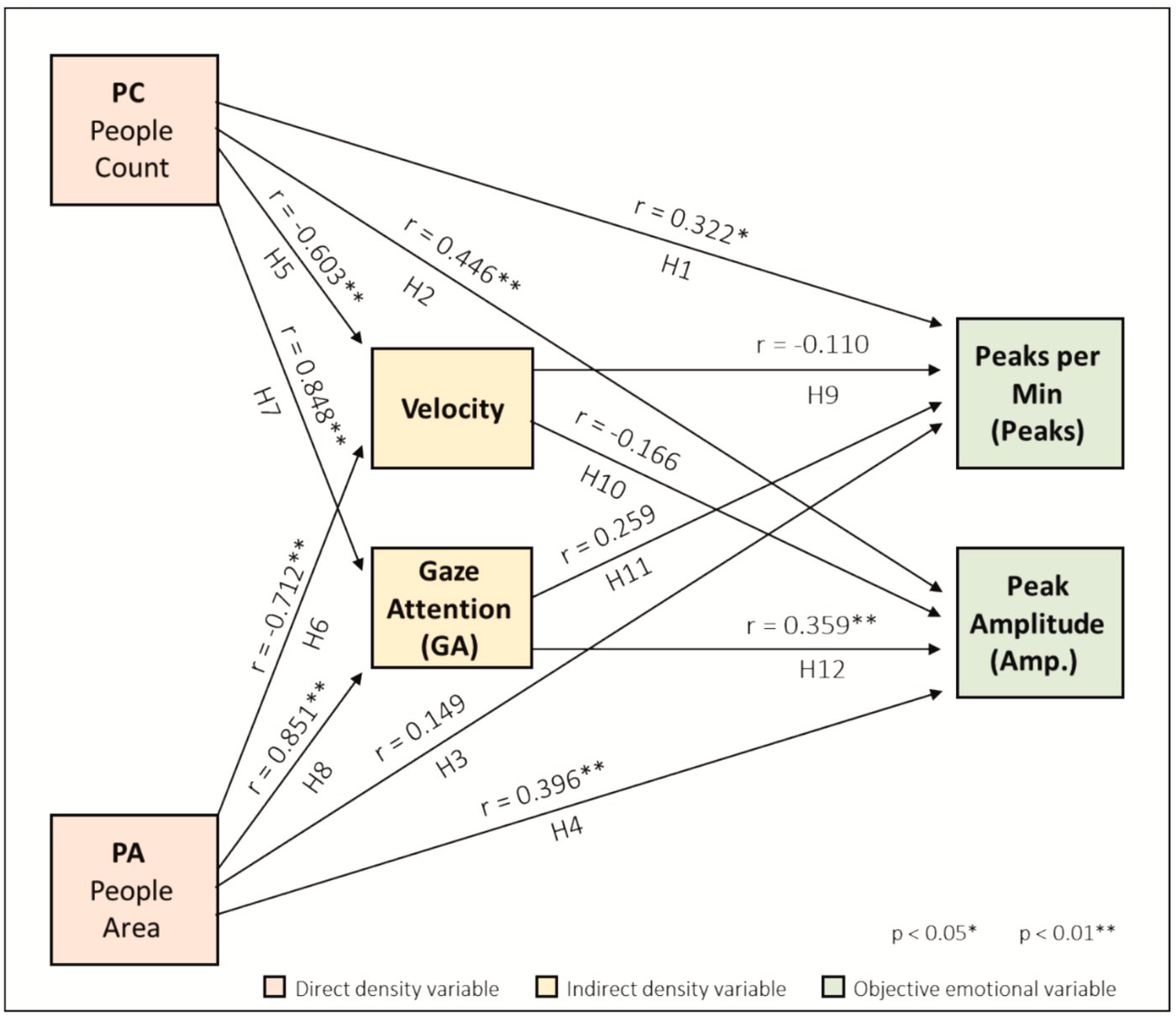
ReferenceMashkov, R., Shoval, N., Rizowy, B. I., Shavin, U., Srulovitch, H., & Shwartz, A. (2025). Measuring reactions to congestion in the digital era. Annals of Tourism Research, 113, 103976.
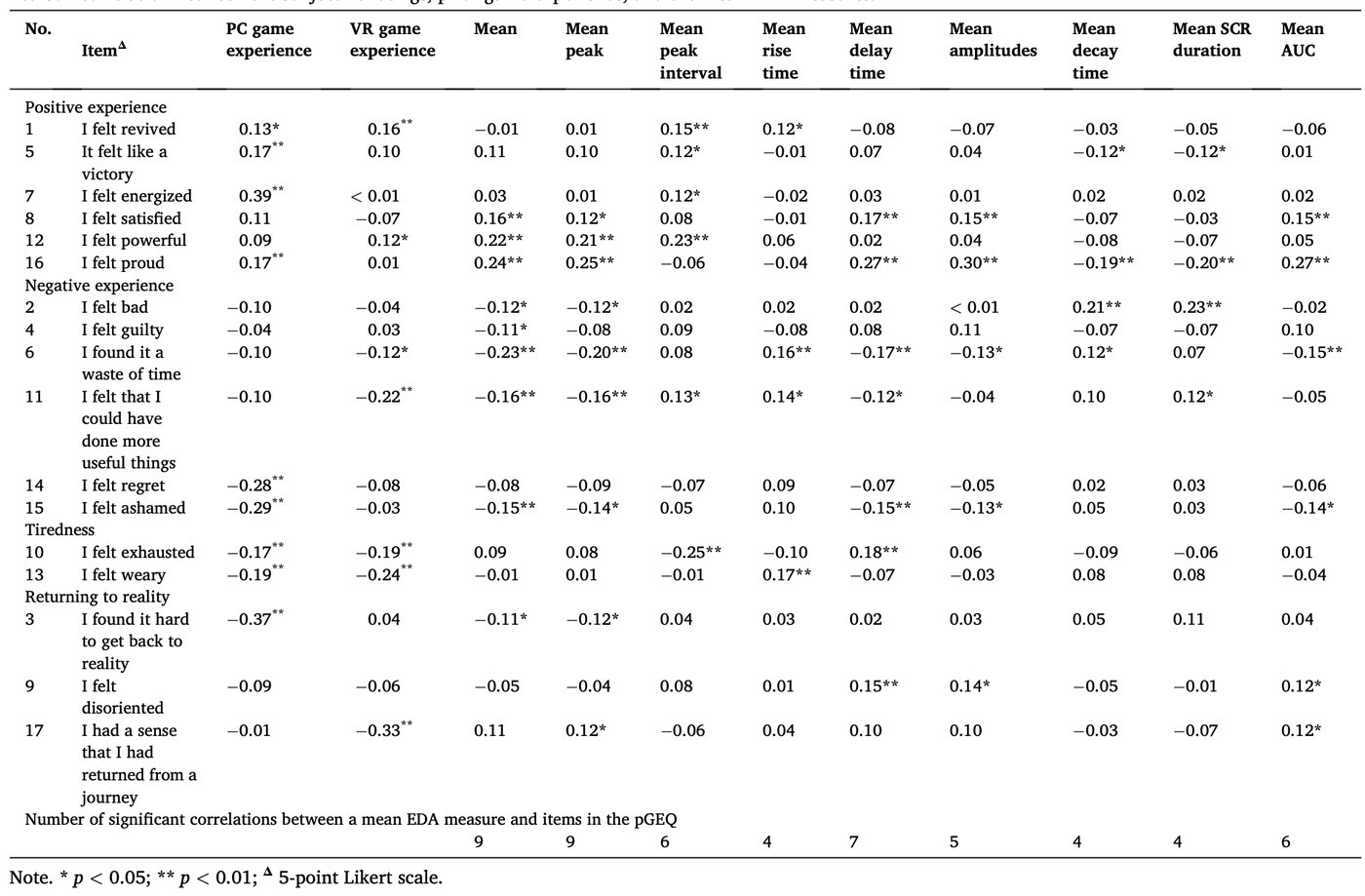
ReferenceHuang, W., Gao, J., & Chen, X. (2025). Predicting post-VR game experiences with wearable physiological sensors. Entertainment Computing, 55, 100977.
ReferenceZhu, L., Spachos, P., Ng, P. C., Yu, Y., Wang, Y., Plataniotis, K., & Hatzinakos, D. (2023). Stress detection through wrist-based electrodermal activity monitoring and machine learning. IEEE Journal of Biomedical and Health Informatics, 27(5), 2155-2165.
ReferenceZhou, Y., Mousavi, A. S., Chalumuri, Y. R., Parreira, J. D., Modak, M., Sanchez-Perez, J. A., ... & Hahn, J. O. (2024). Inference-enabled tracking of acute mental stress via multi-modal wearable physiological sensing: A proof-of-concept study. Biocybernetics and Biomedical Engineering, 44(4), 771-781.
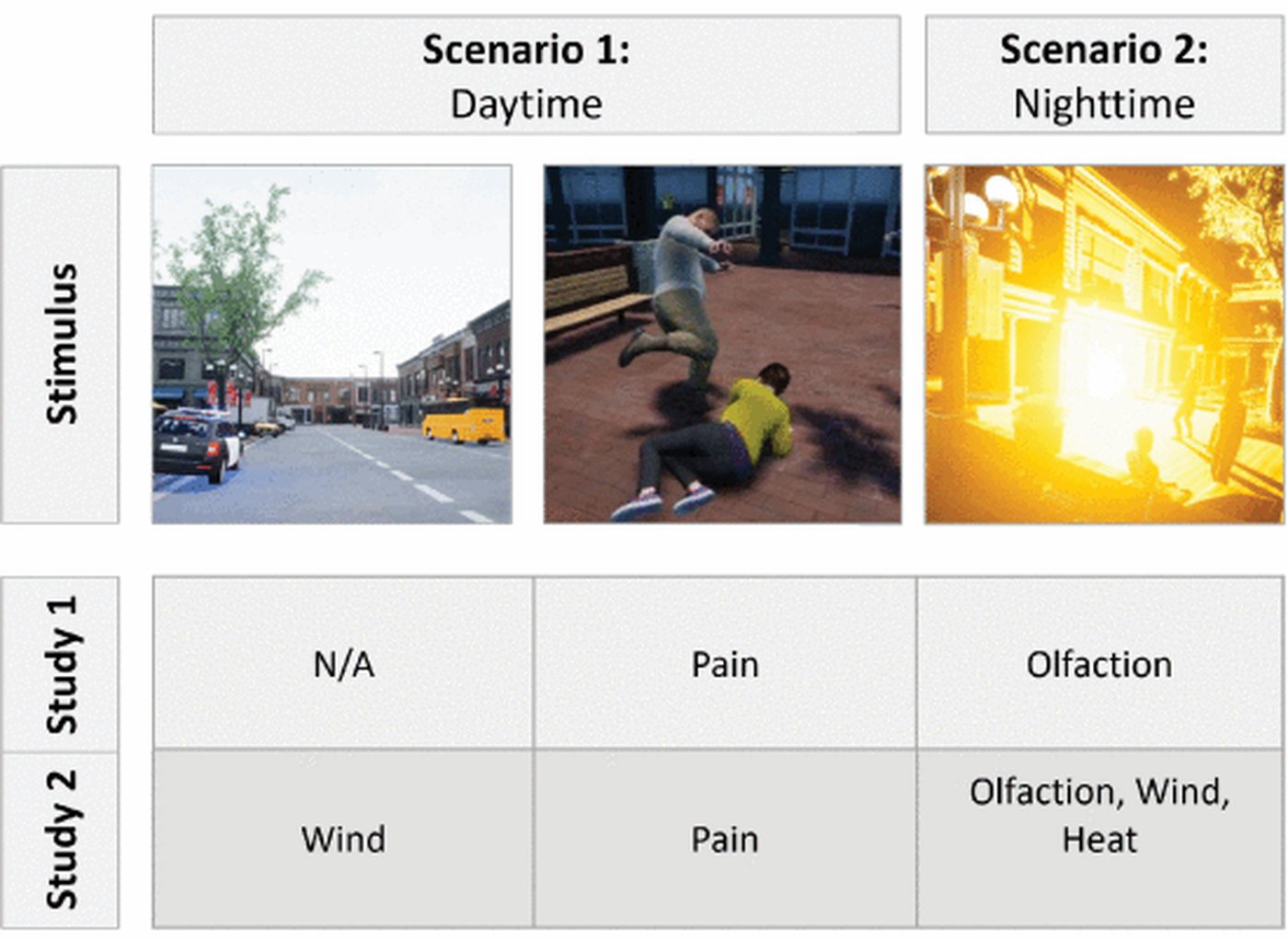
ReferenceUhl, J. C., Murtinger, M., Zechner, O., & Tscheligi, M. (2022, October). Threat assessment in police VR training: multi-sensory cues for situation awareness. In 2022 IEEE International Conference on Metrology for Extended Reality, Artificial Intelligence and Neural Engineering (MetroXRAINE) (pp. 432-437). IEEE.
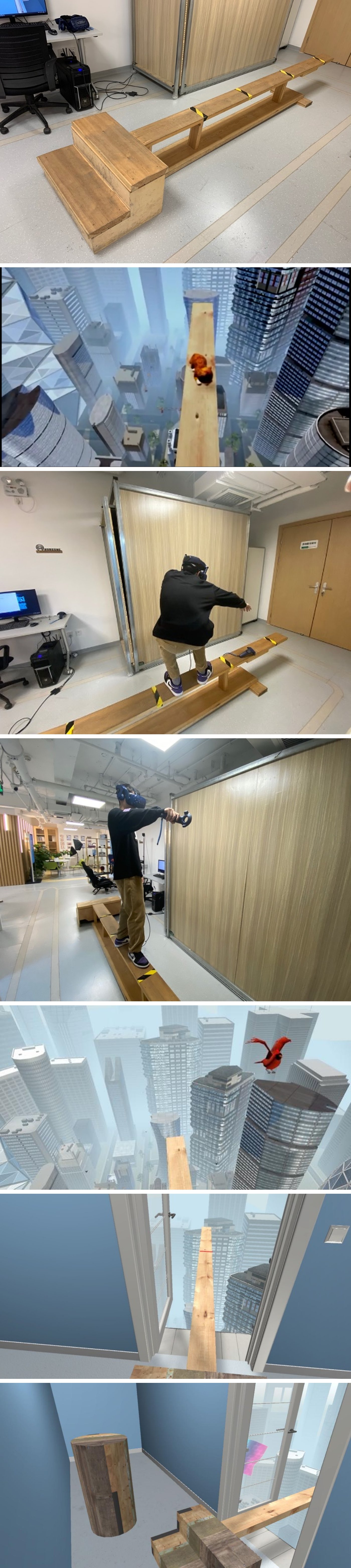
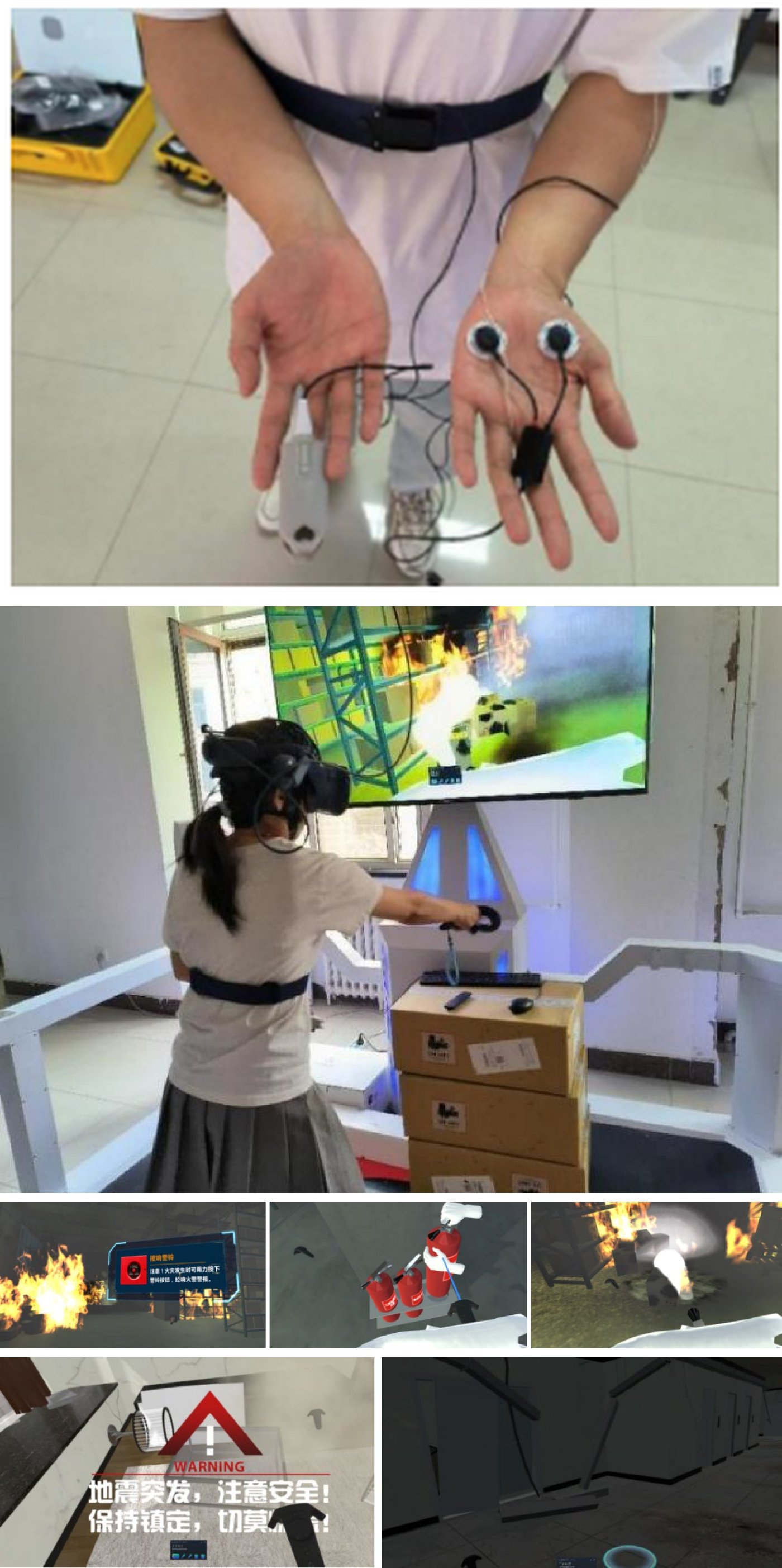
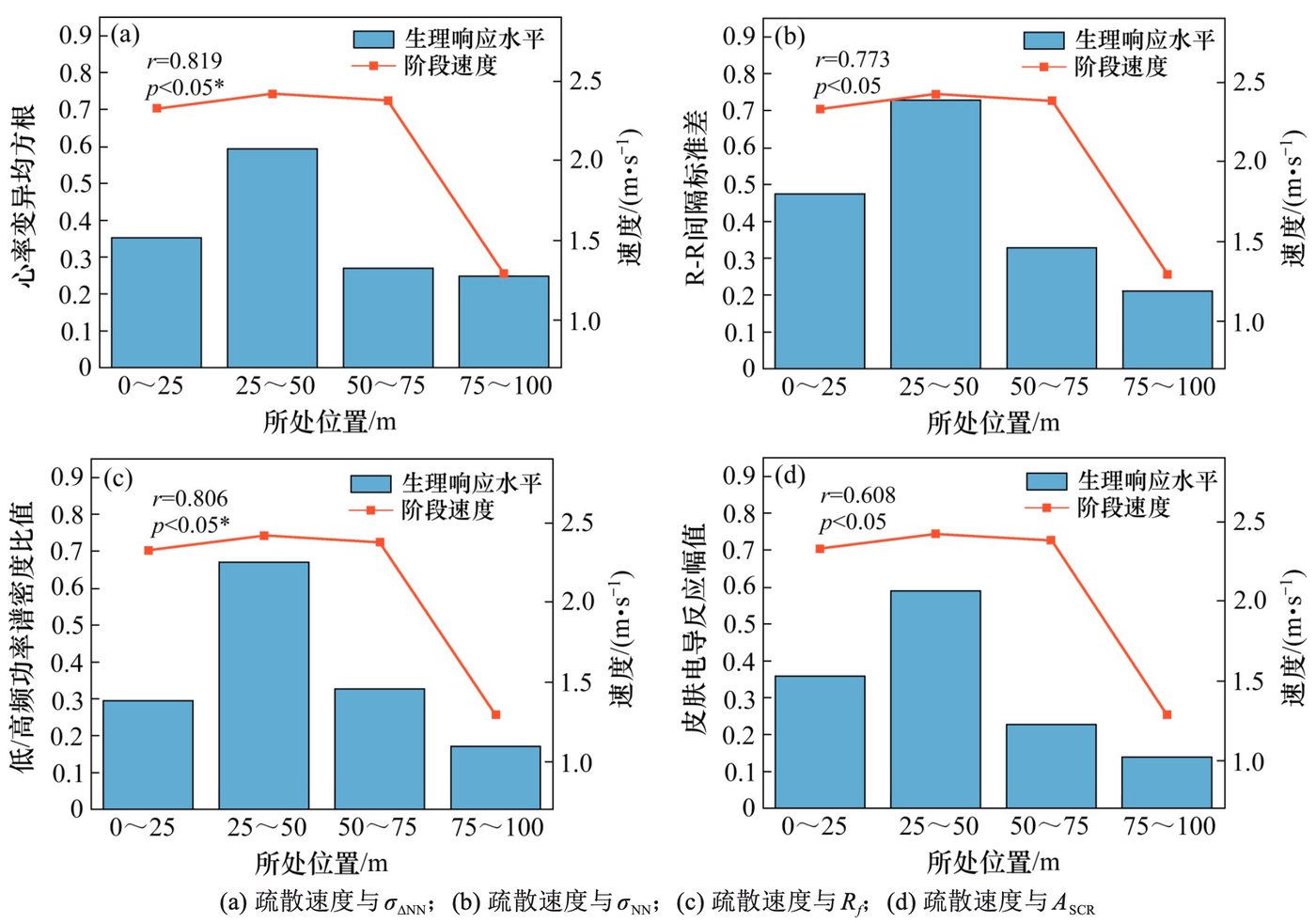
ReferenceWang, X., & Li, Y. (2023). Experimental research on college students' emergency ability and its influencing factors in virtual emergency situations. Emergency Management Science and Technology, 3(1).
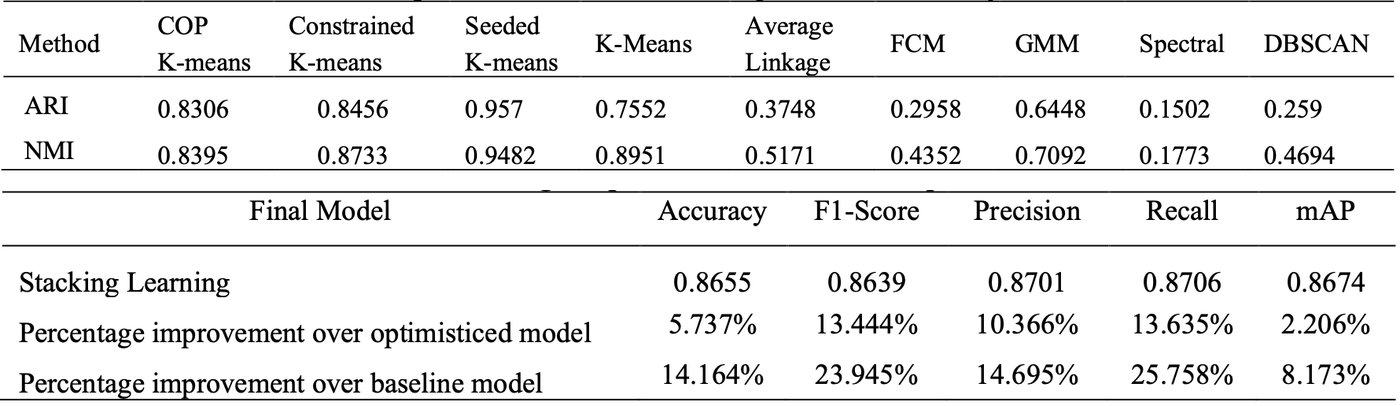
ReferenceYanyu, G., Jizu, L., Cliff, D., & Huayun, D. (2025). Classification and Prediction of Miners' Emergency Response Competence Under Sudden Events Based on Seed k-Means and Stacking Learning Algorithm. Engineered Science, 38, 1877.
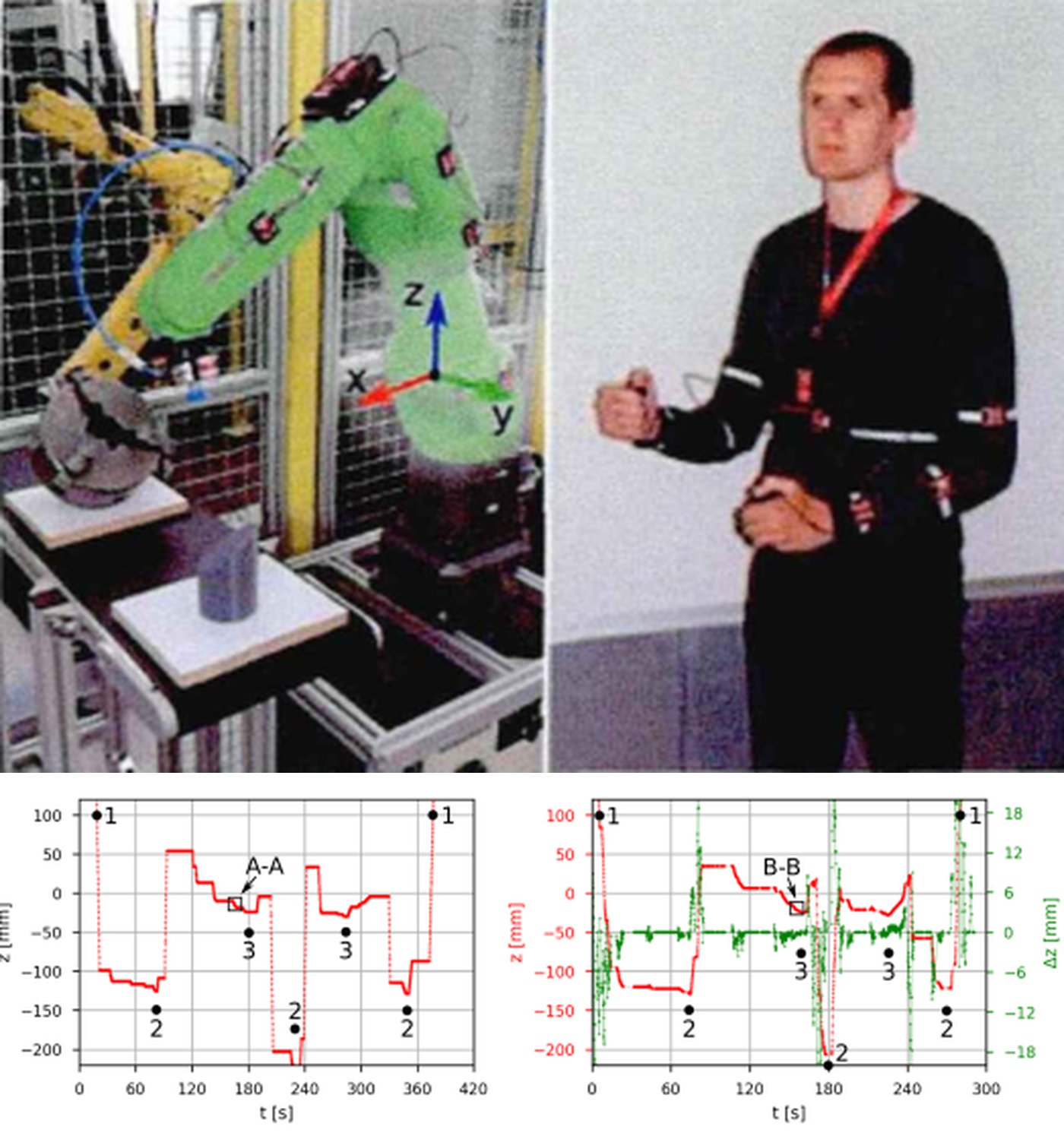
ReferenceŠkulj, G., Vrabič, R., & Podržaj, P. (2021). A wearable IMU system for flexible teleoperation of a collaborative industrial robot. Sensors, 21(17), 5871.
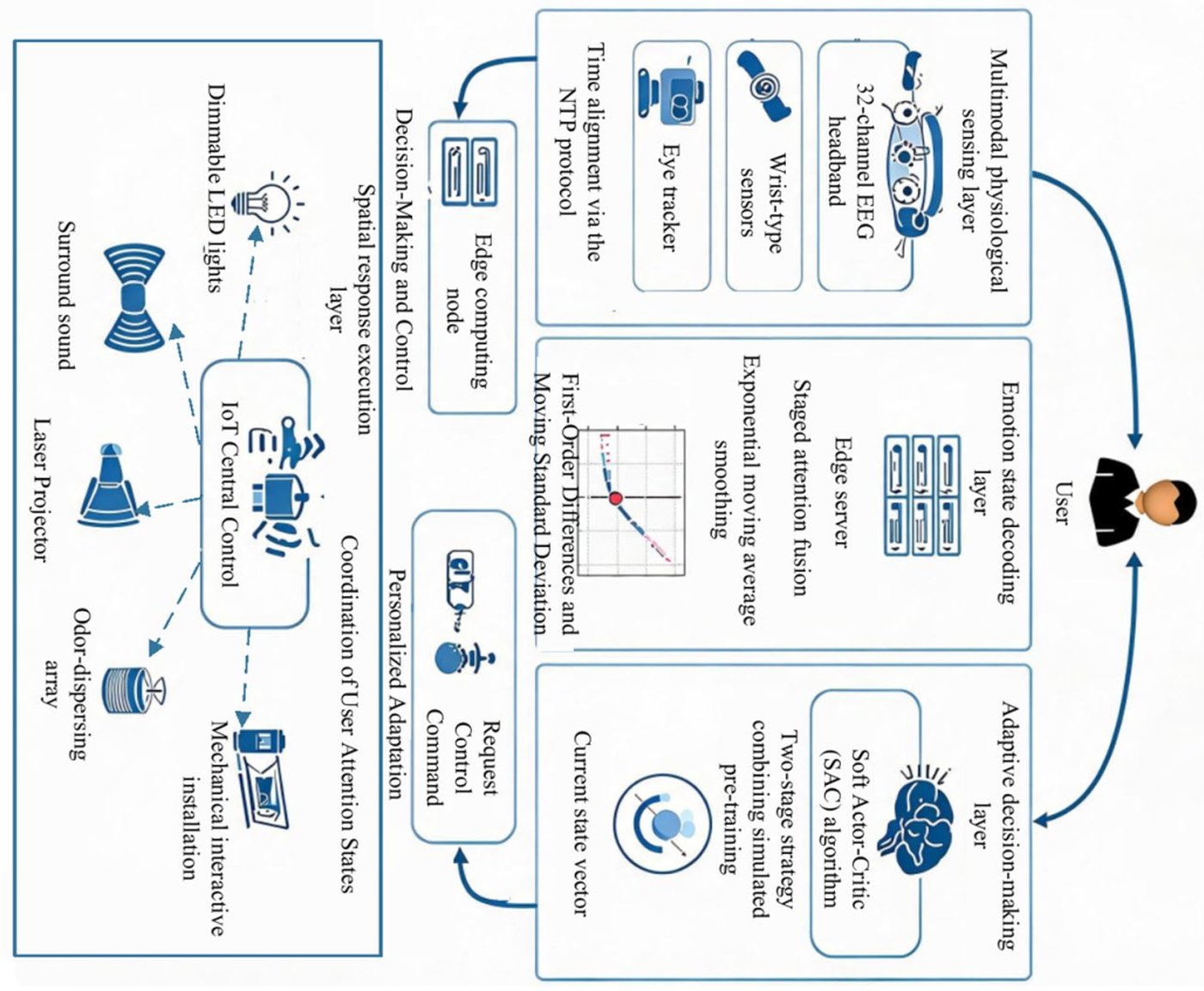
ReferenceLi, S., & Ye, Y. (2026). Adaptive optimization and interaction method for immersive exhibition space experiences integrating multimodal physiological sensing. Discover Artificial Intelligence, 6(1), 1160.
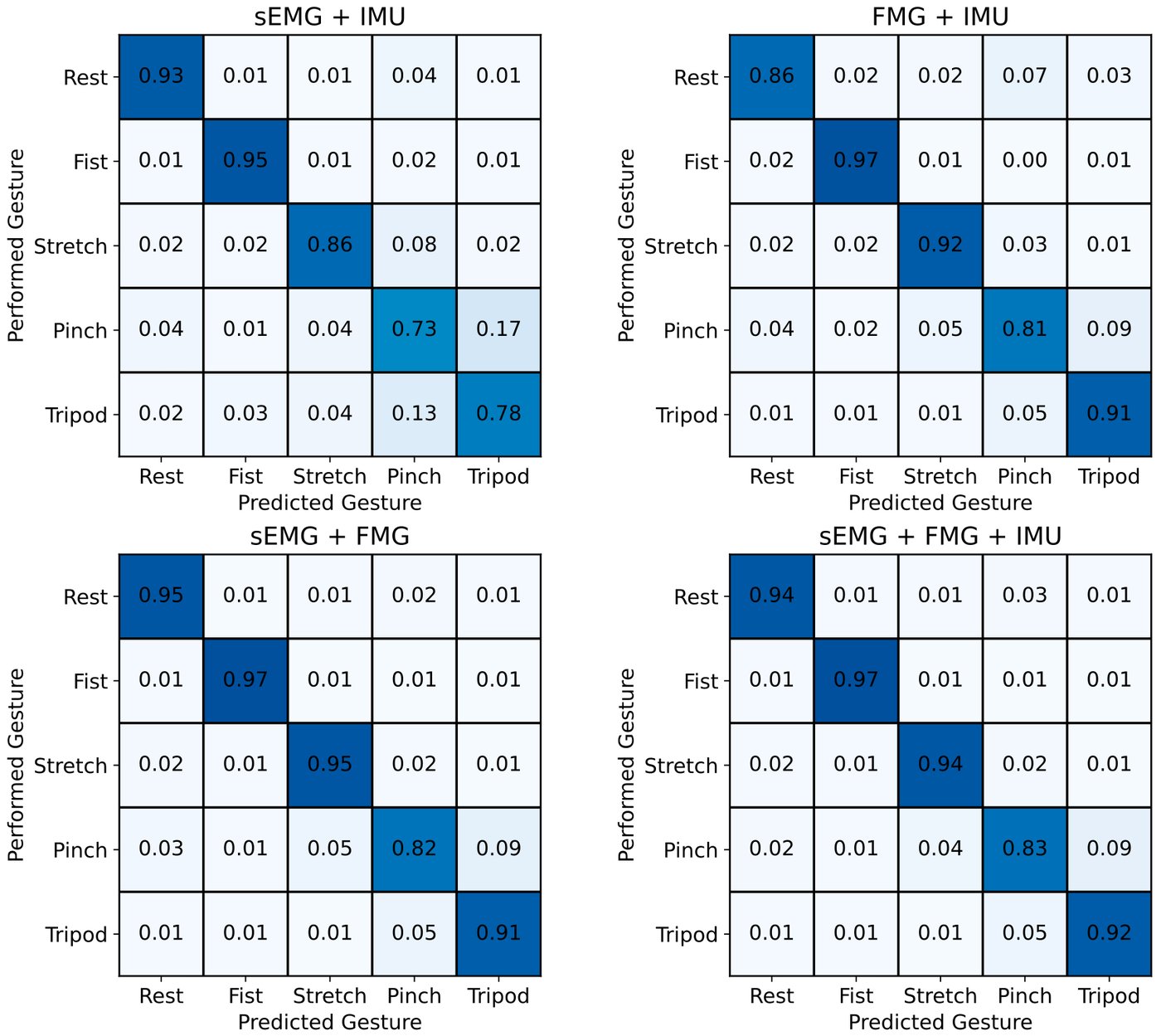
ReferenceAndreas, D., Hou, Z., Tabak, M. O., Dwivedi, A., & Beckerle, P. (2024). A multimodal bracelet to acquire muscular activity and gyroscopic data to study sensor fusion for intent detection. Sensors, 24(19), 6214.
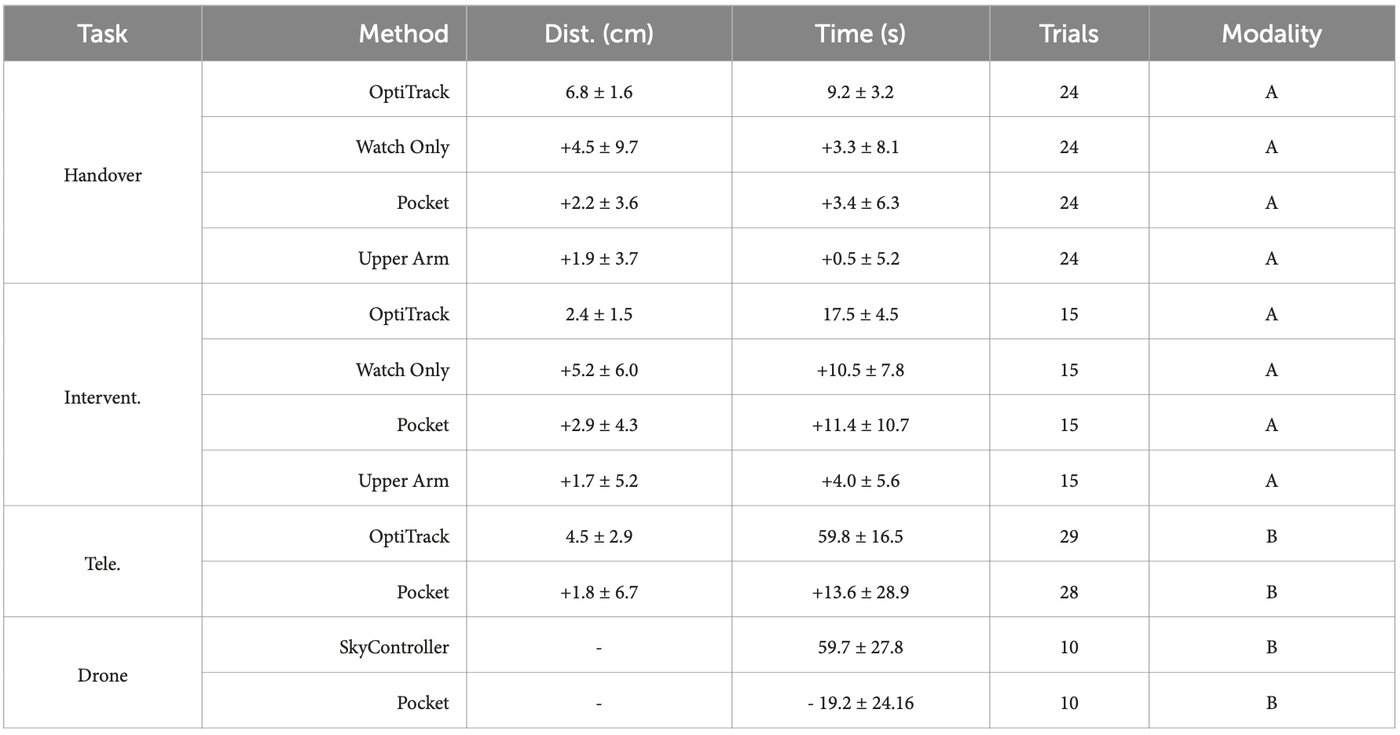
ReferenceWeigend, F. C., Kumar, N., Aran, O., & Ben Amor, H. (2025). WearMoCap: multimodal pose tracking for ubiquitous robot control using a smartwatch. Frontiers in Robotics and AI, 11, 1478016.